How Many EEG Channels Do You Actually Need for Classification?
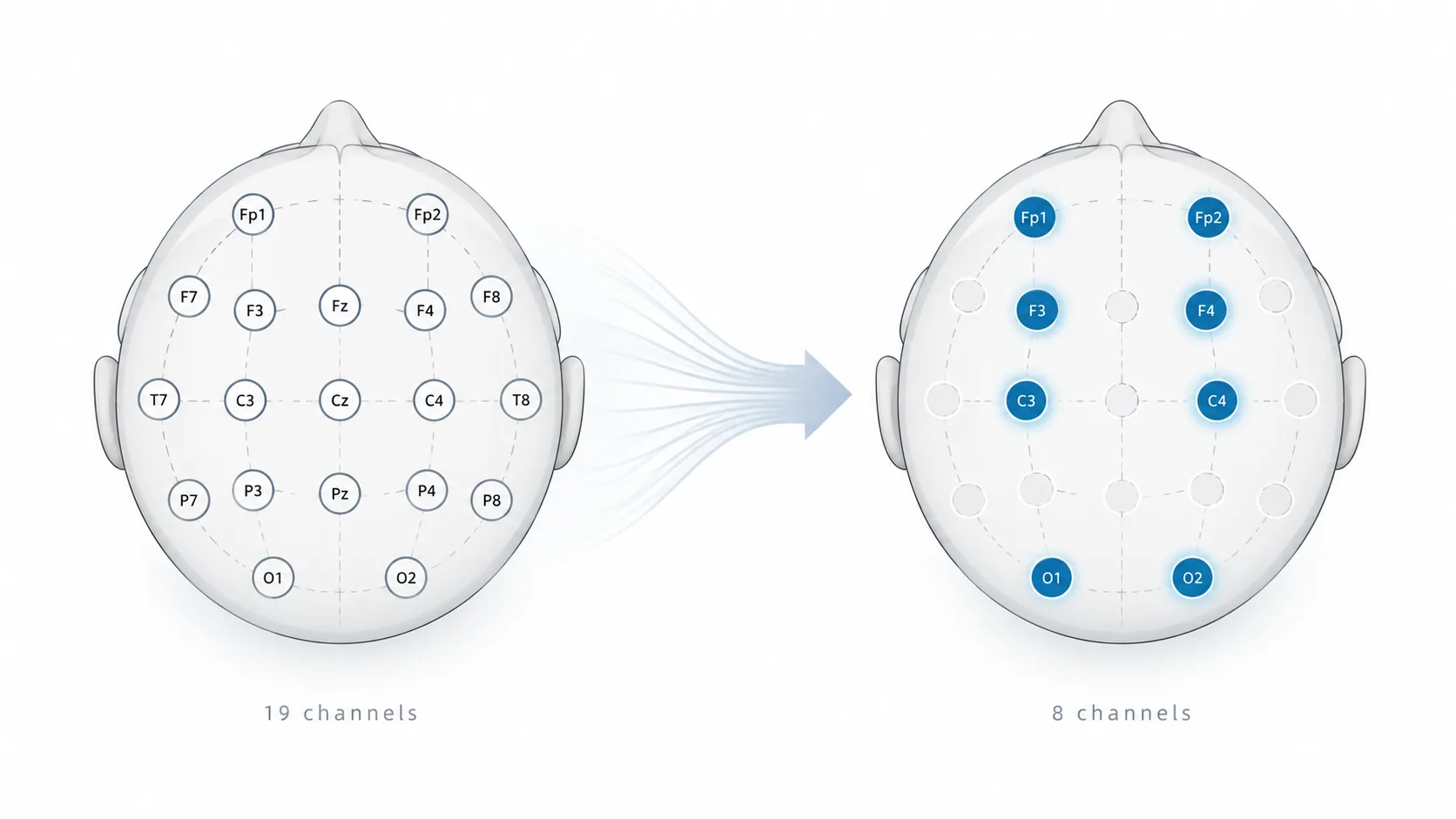
Reducing EEG channels from 19 to 8 costs less than 2% in cross-participant accuracy. Stable channel rankings don't guarantee better generalization.
Reducing EEG channels from 19 to 8 costs less than 2% in cross-participant accuracy. Stable channel rankings don't guarantee better generalization.
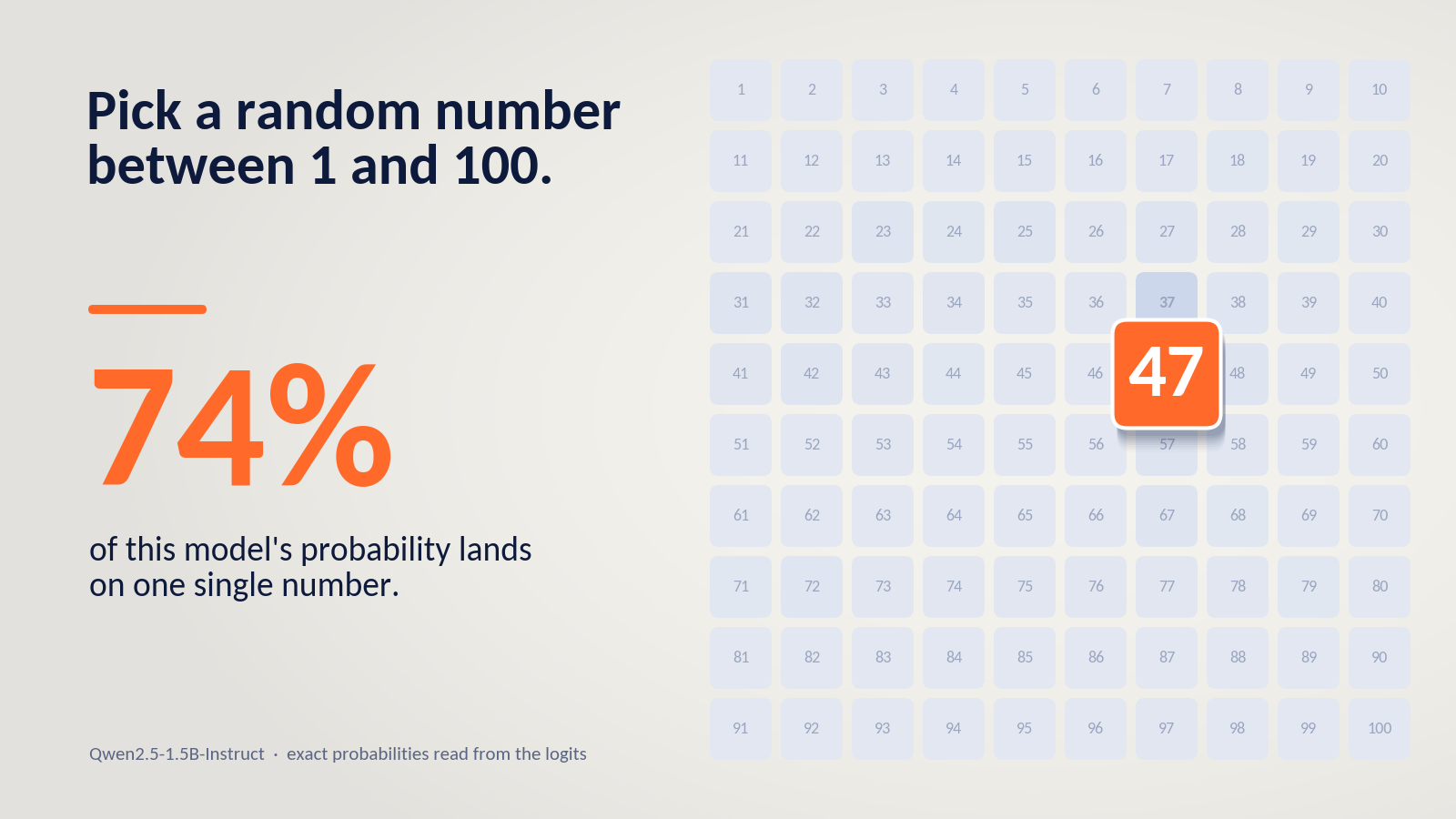
Language models aren't random. This analysis uses logits to measure exactly how guessable an AI's "random" number pick really is.
Enterprise AI teams face growing pressure to balance model innovation with regulatory compliance. Here's a practical framework for embedding governance into eve
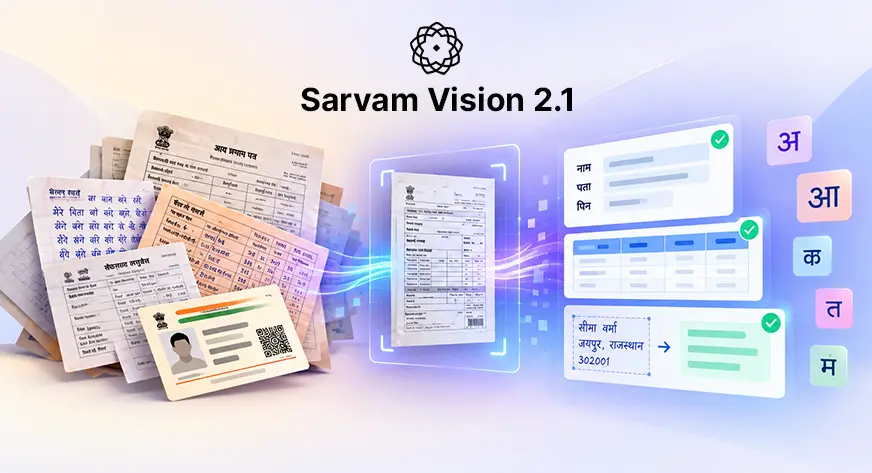
Sarvam Vision 2.1 is the first OCR model to handle both Indian language scripts and English document structure without sacrificing either.
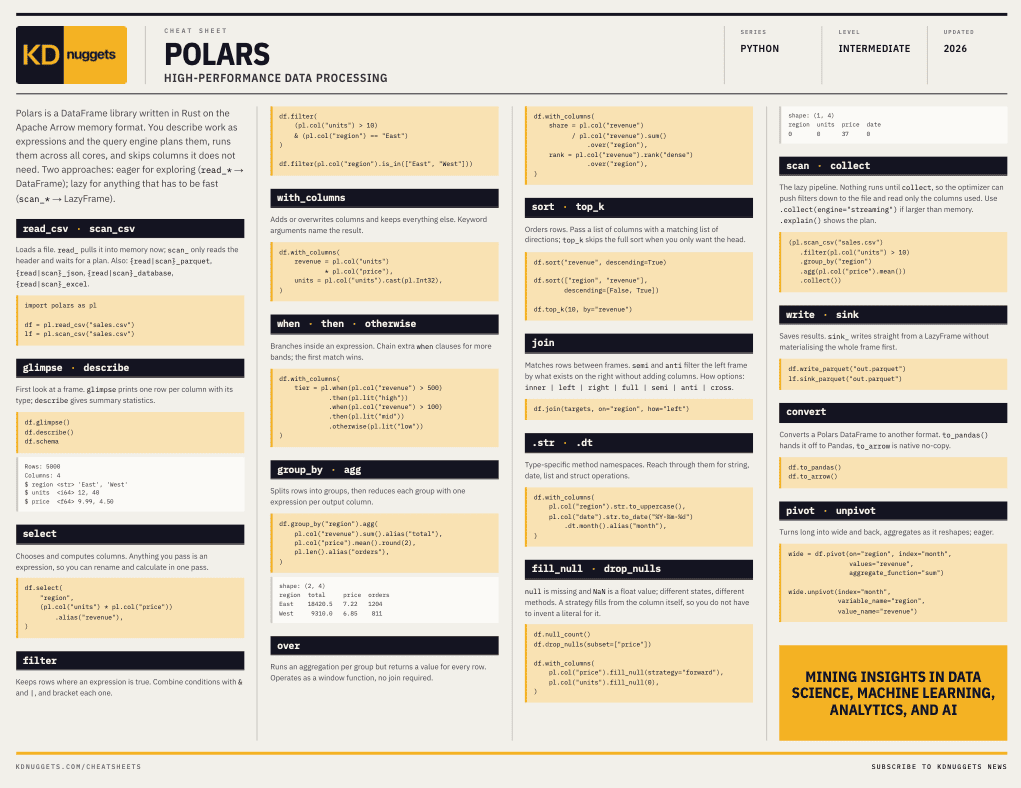
Polars is a Rust-based DataFrame library built for speed and efficiency. This cheat sheet covers its core functionality for high-performance data processing.
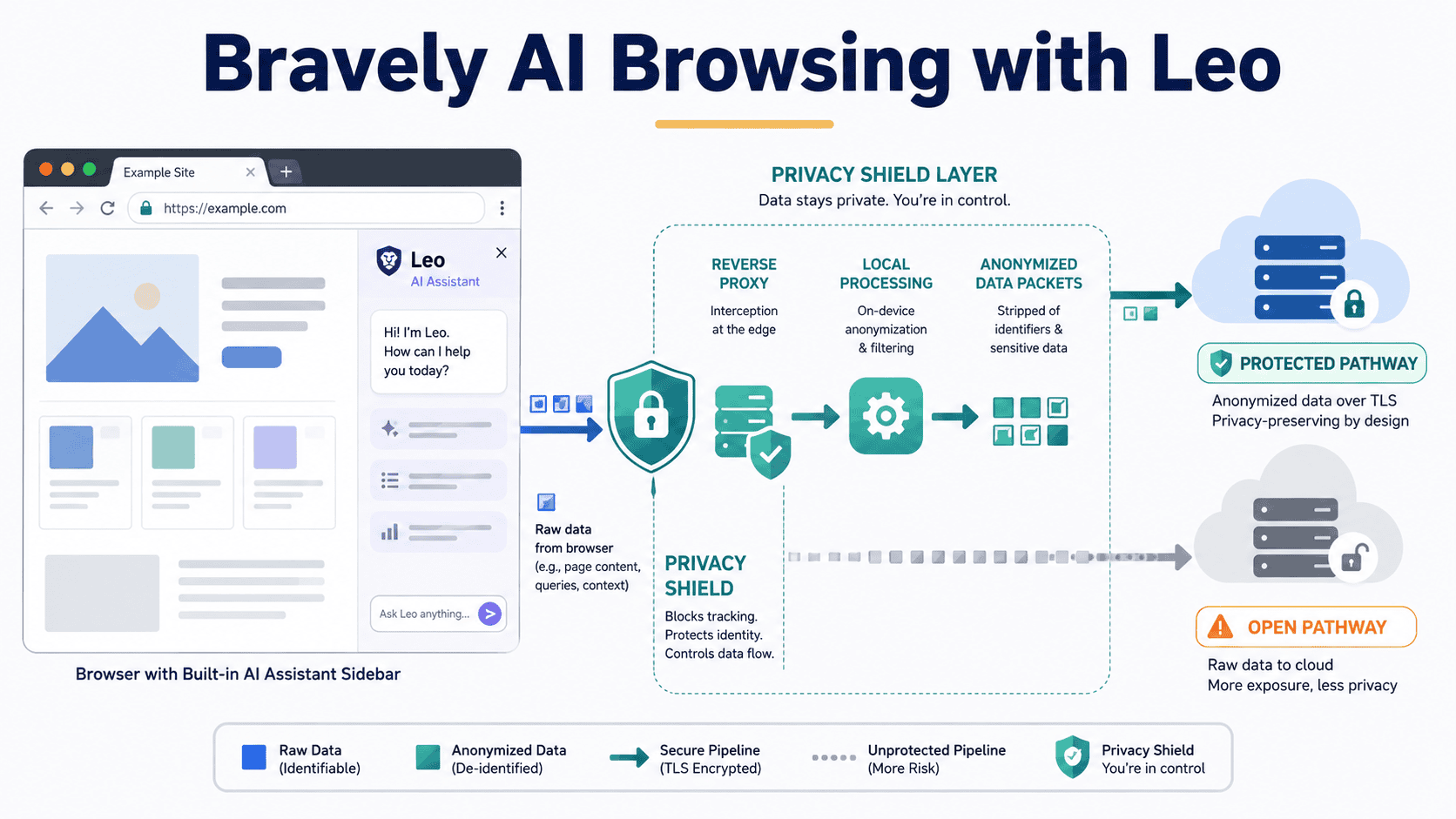
Brave Leo is a built-in browser AI assistant that processes queries without storing data or requiring an account, making it well-suited for sensitive profession
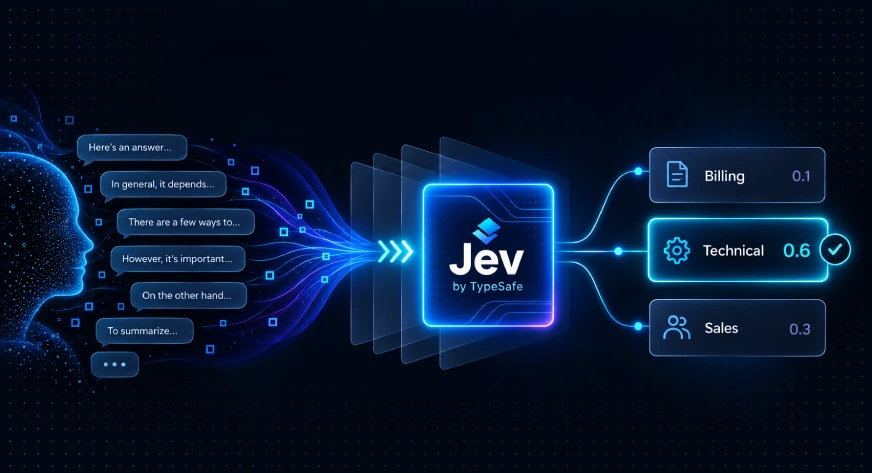
Jev is a new AI model that returns structured judgments instead of generating text, designed for automated decision-making inside software.
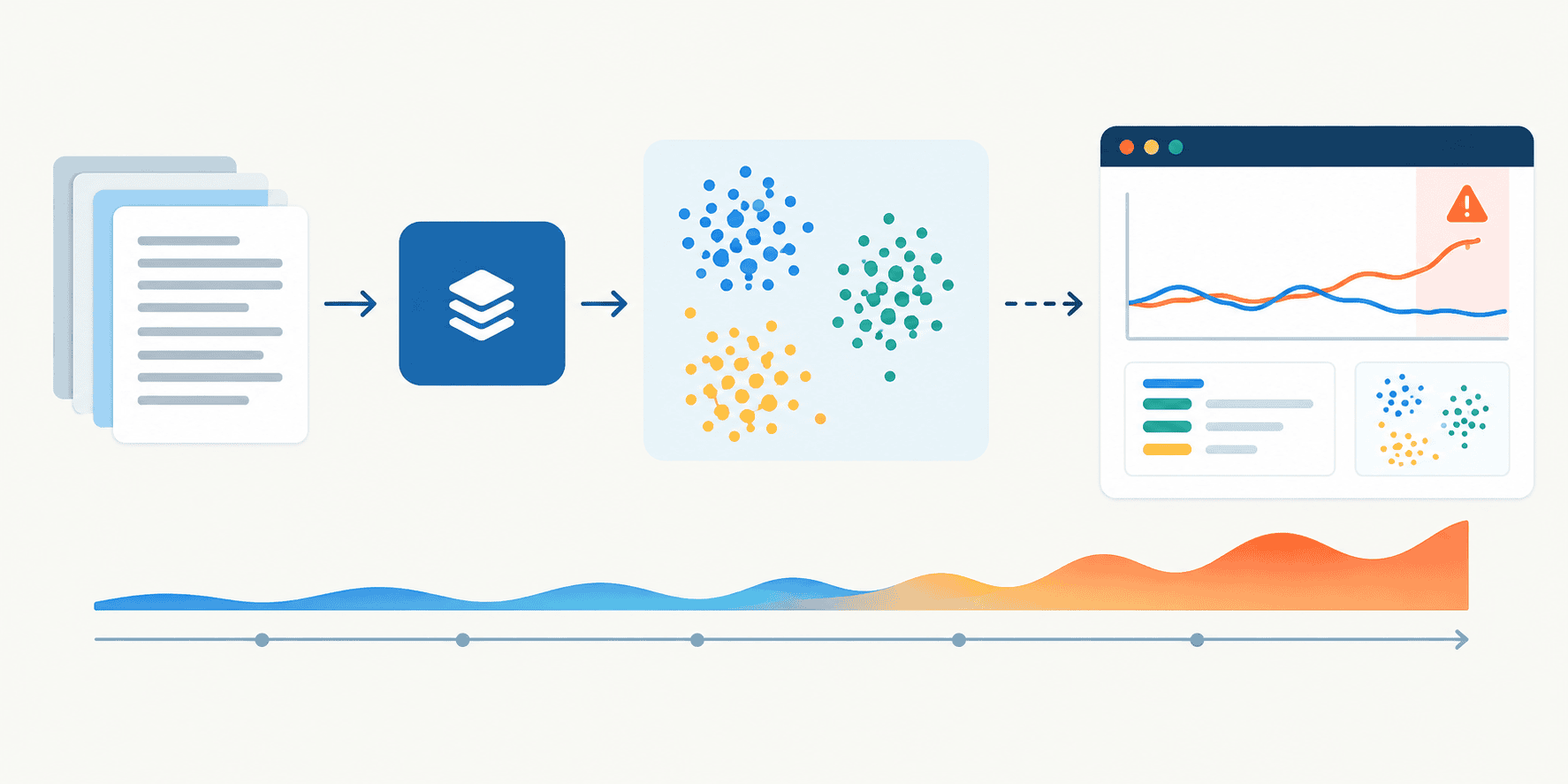
Learn what embedding drift is, why it matters for production LLMs, and how to implement two practical detection techniques using scikit-learn and Scikit-LLM.
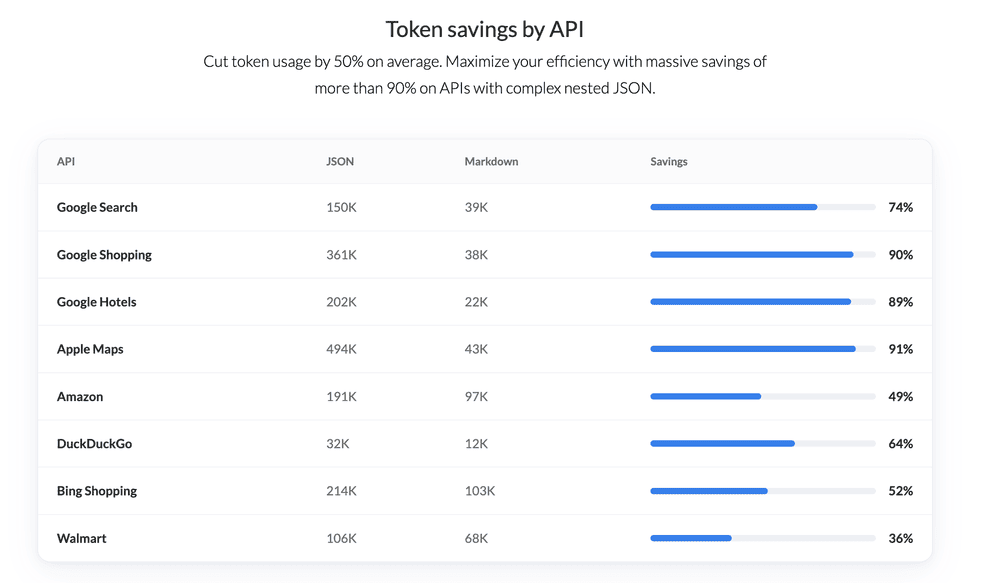
SerpApi's Markdown output reduces search result tokens from 24,723 to 6,435—a 74% cut that lowers costs and frees up context window space for AI agents.
JONI positions itself as an orchestration and execution layer above foundation models. Here's how its architecture and routing work in practice.
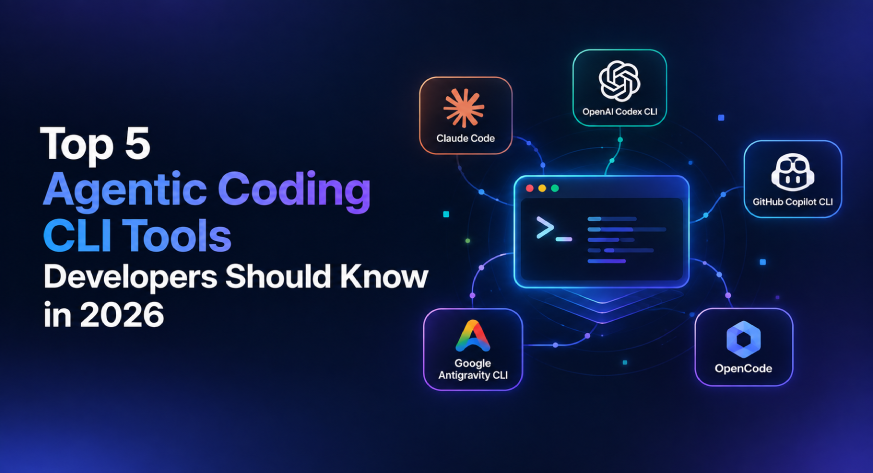
Five leading agentic coding CLIs compared across autonomy, tooling, permissions, cost, and real-world engineering workflows.
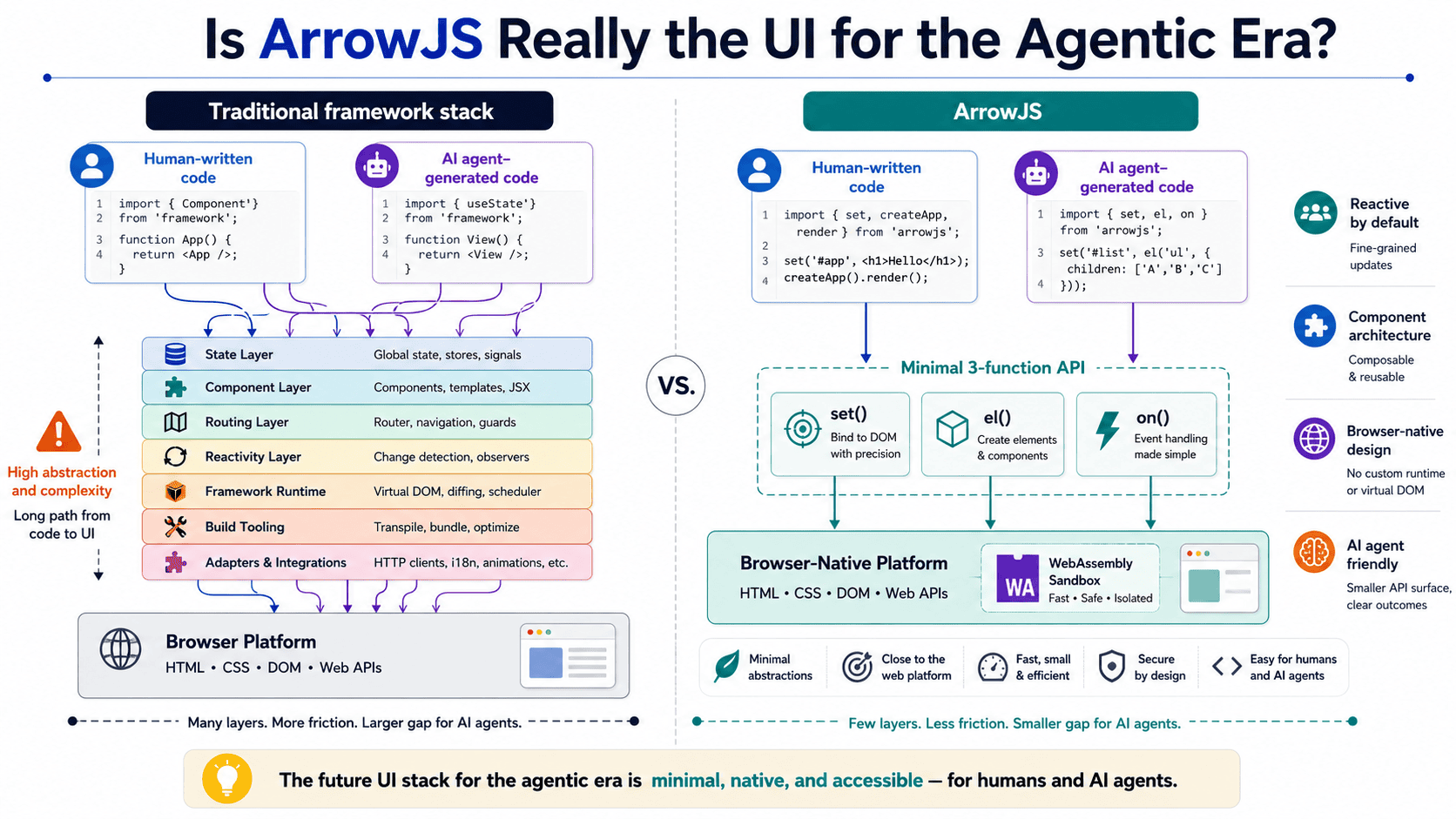
ArrowJS positions itself as the first UI framework built for AI coding agents. Here's what that means for data scientists building AI-powered apps.