Switchyard: NVIDIA's Open-Source LLM Routing Library Explained
NVIDIA NeMo Switchyard is an open-source routing layer that directs LLM requests to the right model based on complexity, saving cost and latency.
NVIDIA NeMo Switchyard is an open-source routing layer that directs LLM requests to the right model based on complexity, saving cost and latency.
Spec-driven development with Claude Code fails when criteria have no failing state. Here's how to write specs that prevent agents from self-certifying completio
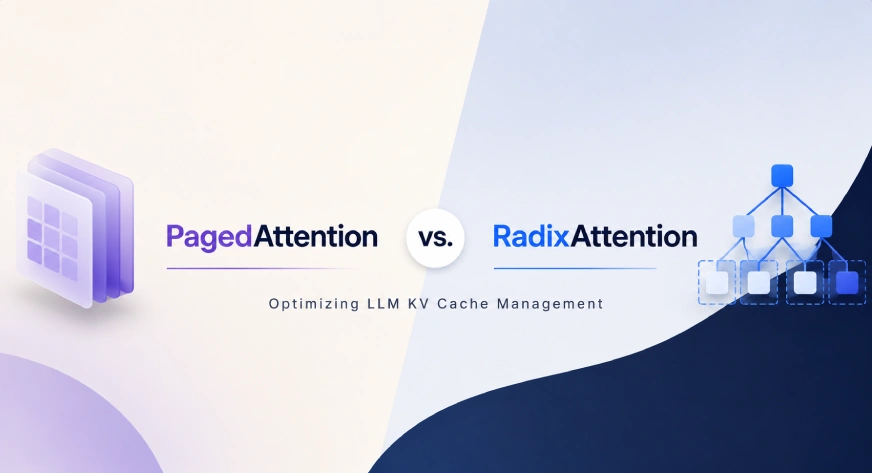
PagedAttention and RadixAttention solve the two core KV cache problems in LLM serving: memory fragmentation and redundant prefix computation.
A blind experiment comparing RAG and long-context retrieval on 12 questions across 32 articles, measuring cost, latency, and answer quality.
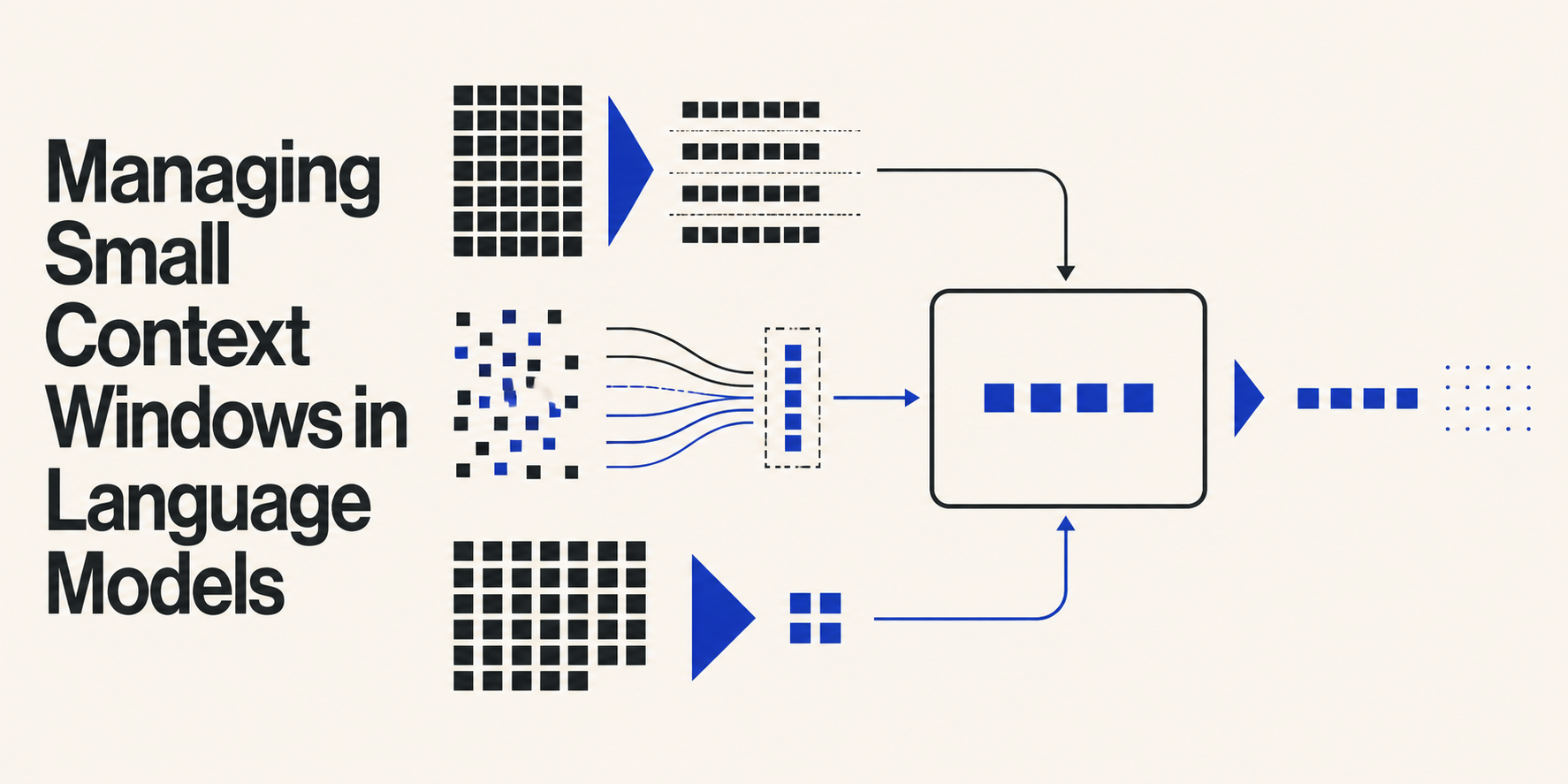
Three practical strategies for managing small LLM context windows, with Python examples covering sliding windows and token budgeting with RAG.
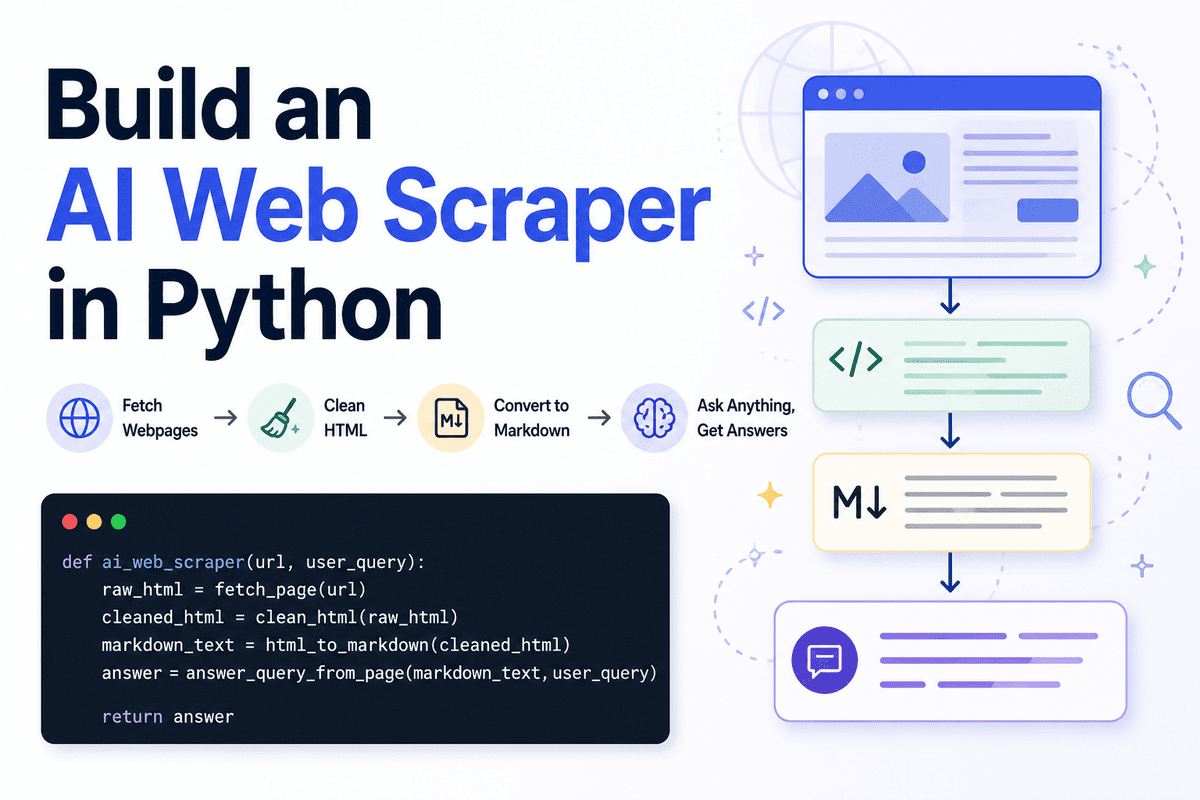
Learn how to fetch, clean, and convert webpages to Markdown, then use an LLM to return focused answers from page content.
Semi-supervised learning combines labeled and unlabeled data to train classifiers. Learn the core assumptions and algorithm types that make it work.
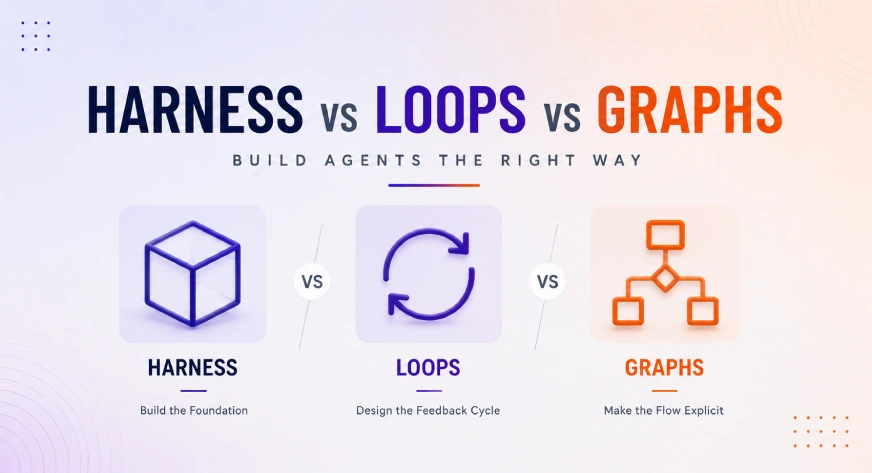
Harness, loop, and graph engineering solve distinct problems in agent design. Mixing them up leads to costly mistakes in production systems.
Abacus AI offers 100+ models, autonomous agents, and creative tools in one subscription. Here's what it actually delivers.
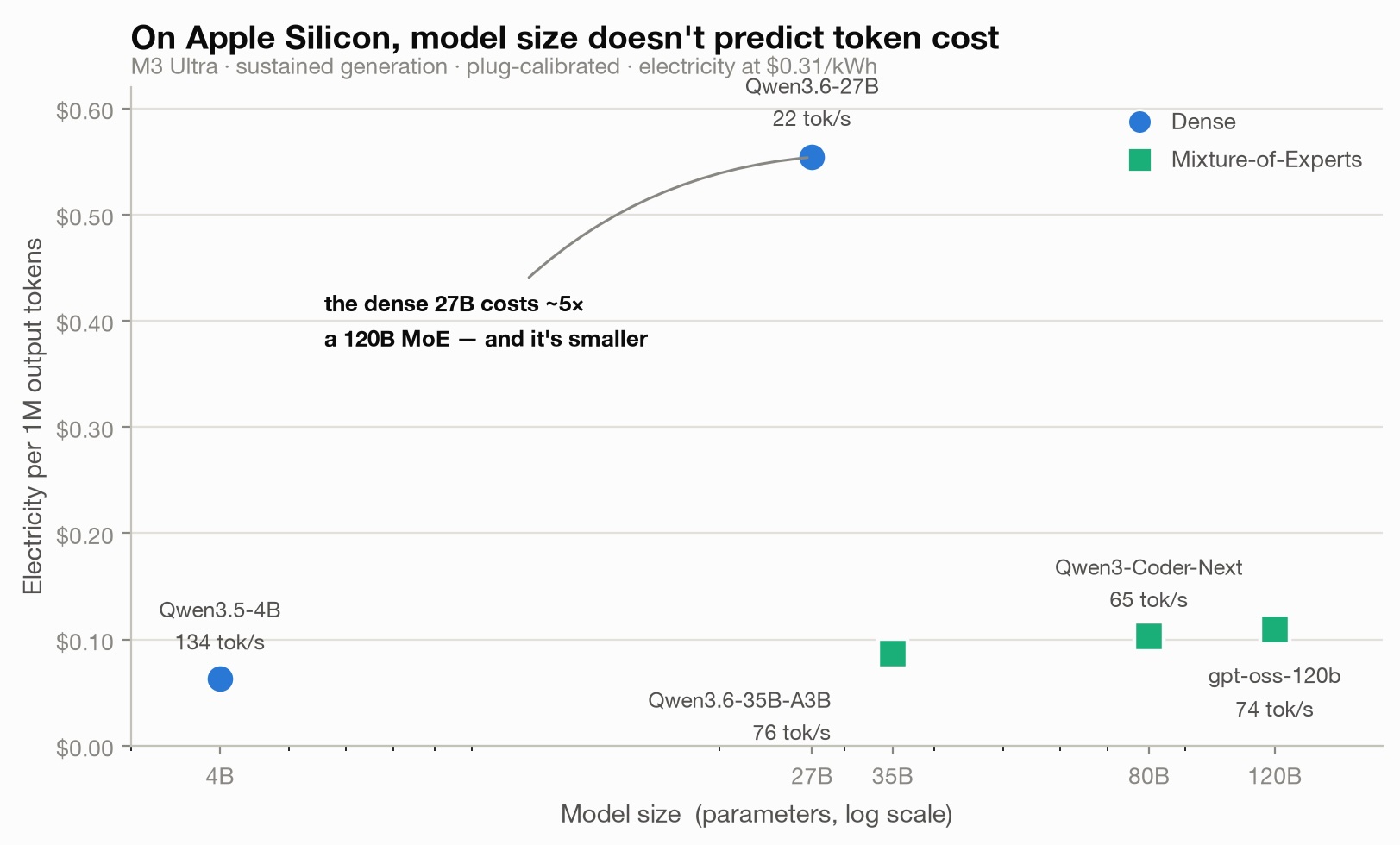
Five local LLMs measured at the wall socket on an M3 Ultra. A 120B model costs five times less per token than a 27B dense model.
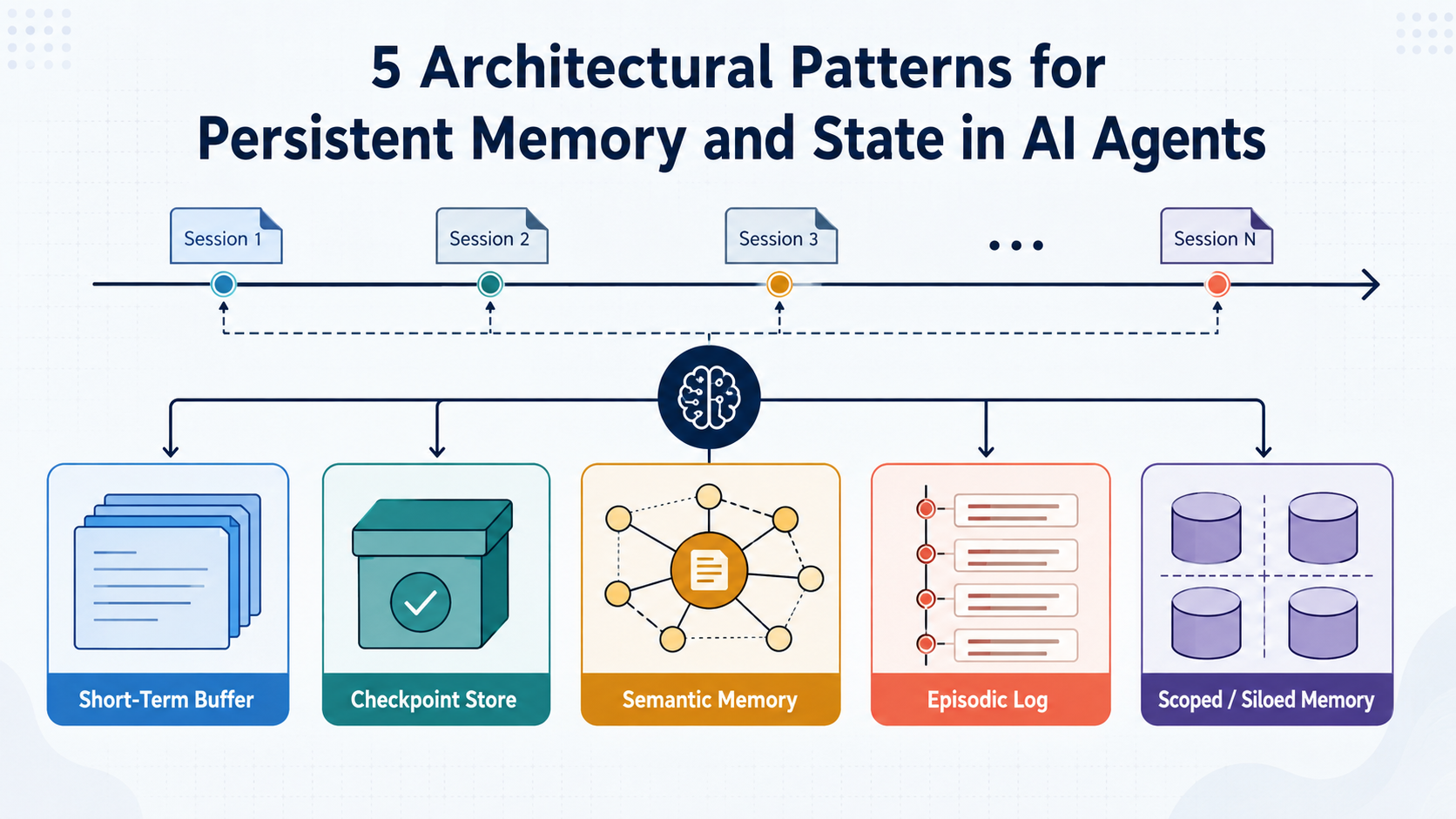
LLMs are stateless by design. These five architectural patterns show how to manage memory and state in production AI agents.
A step-by-step guide to understanding backpropagation in neural networks, built on linear regression intuition and the chain rule.