Top GitHub Repositories of October 2026: Agent Tooling Dominates
October's GitHub Trending favored the layers around models: agents, skills, and local inference. We break down what each repo does and why it trended.

If you spent any time on GitHub Trending in October, you will have noticed that models were barely the story at all. People starred the layers wrapped around them. These include agent runtimes, skills, gateways, inference engines, and auditing attempts. In fact, one repository added more than 415,000 stars in four weeks.
Furthermore, we tracked star growth, momentum, ecosystem impact, and real-world relevance to identify the 18 repositories that mattered most. We calculated the share of lifetime stars arriving in October for each. This separates breakouts from established projects. Consequently, in this article we break down what each project does. We explain why it trended and who should pay attention.
1. morluto/rea (~433K stars)
If October 2026 had a single headline, this was it. REA is short for Reverse Engineers Anything with agents. It covers application behaviour down to native binaries and added 415,000 stars. That is 96 percent of its total stars. It effectively did not exist in September. For scale, it gained more stars in October than the next seven entries on this list combined. The appeal is clear. Agents have written code for a while. This attempts to point them at undocumented code.
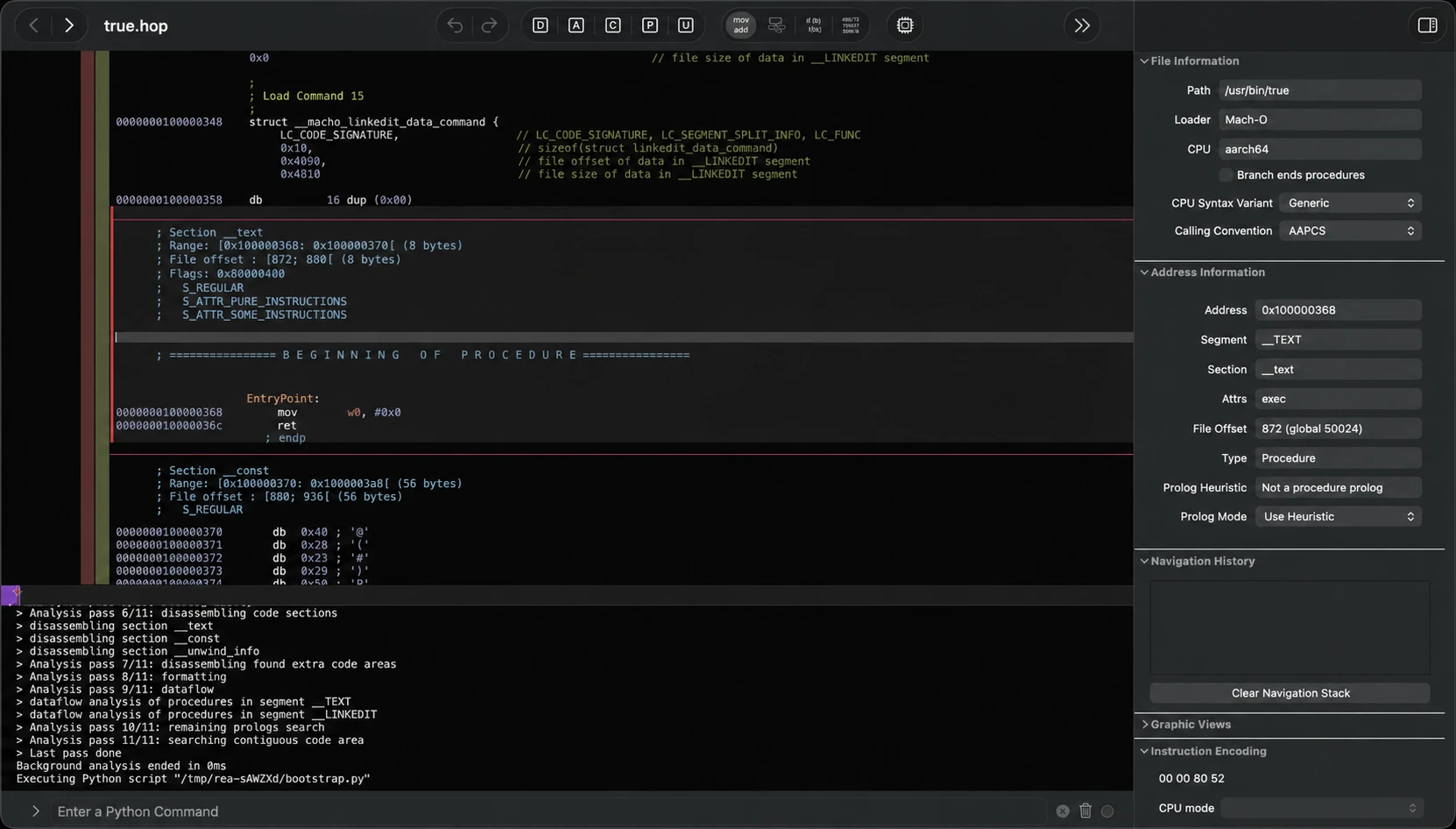
One important caveat: A repository that goes from near zero to 433,000 stars in four weeks has almost no track record behind it. Treat this growth as a signal of demand. Do not view it as a verdict on the software. Read the repository yourself.
Best For:
- Moreover, engineers working on legacy binaries or undocumented third-party behaviour should take note.
- Security researchers who want agent assistance on analysis rather than on writing new code
- Similarly, anyone tracking how far agent tooling has moved beyond greenfield code generation should review this.
GitHub Repository: https://github.com/morluto/rea
2. Ebony-Vinyl/dsh-our-free-model (~62K stars)
Next, this plugin exposes frontier models like DeepSeek V4.1 Flash and Kimi K3. It requires no login or API key. In addition, it added about 53,800 stars in October. This represents 87 percent of its lifetime total. The pitch is unlimited access with no usage cap. This is why it trended. Look closely at how it is funded. In contrast, its position at number two is a useful reminder. Removing the signup step drives adoption more than model improvements.
Worth keeping in perspective: Free and uncapped access to frontier models has to be paid for by somebody. Finally, the repository’s growth is real. The sustainability of the offer is an open question that matters significantly.
Best For:
- Developers who want to evaluate several frontier models before committing to a provider
- Students and hobbyists priced out of per-token API access
- Anyone already running DeepSeek Harness who wants more model options inside it
GitHub Repository: https://github.com/Ebony-Vinyl/dsh-our-free-model
3. debpalash/VoiceStudio (~102K stars)
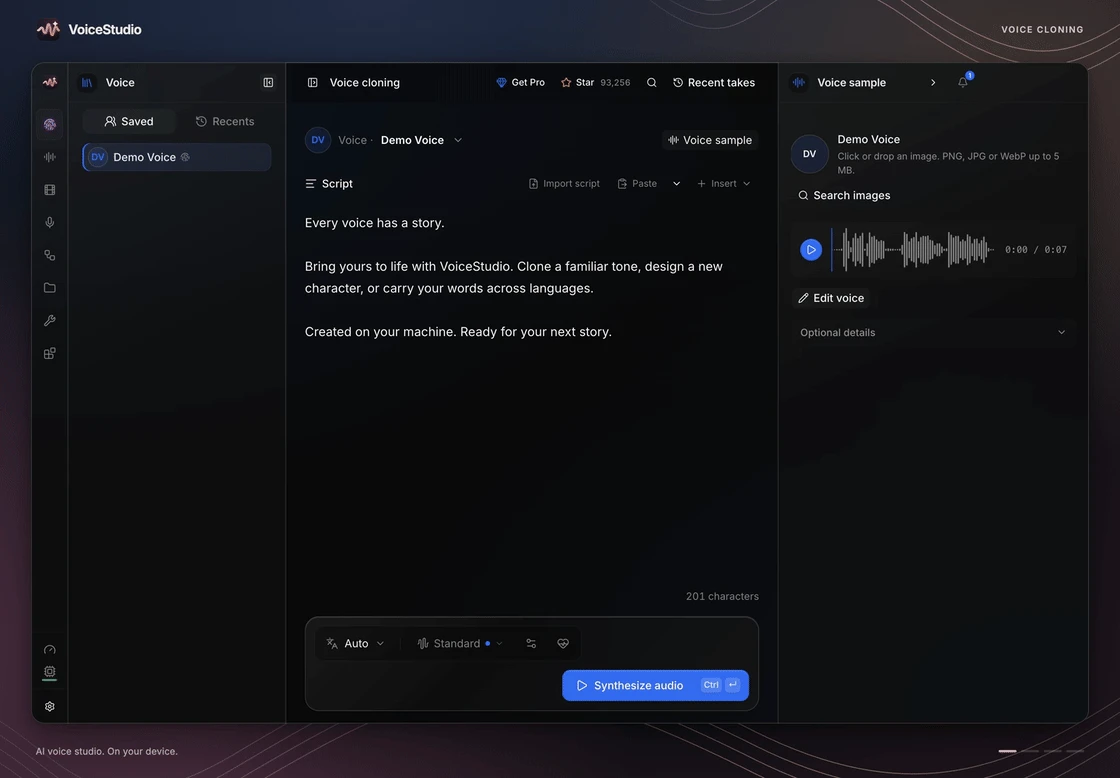
VoiceStudio is a fully local, open-source alternative to ElevenLabs, covering voice cloning, voice design, video dubbing, dictation, transcription and audiobook creation across 646 languages. It added roughly 46,400 stars in October, bringing it past the 100,000 mark. At a 46 percent October share, it was well established and nearly doubled. It is the clearest deep learning application here. The output is something you listen to, not code.
The local-first positioning is doing most of the work here. Voice cloning is highly privacy-sensitive. A tool that never sends audio anywhere answers an objection hosted competitors cannot.
Best For:
- Teams producing localised audio who cannot send voice data to a third-party API
- Podcasters and audiobook producers wanting dubbing and cloning in one toolchain
- Developers building speech features who want to avoid per-character pricing
GitHub Repository: https://github.com/debpalash/VoiceStudio
4. storytold/artcraft (~39K stars)
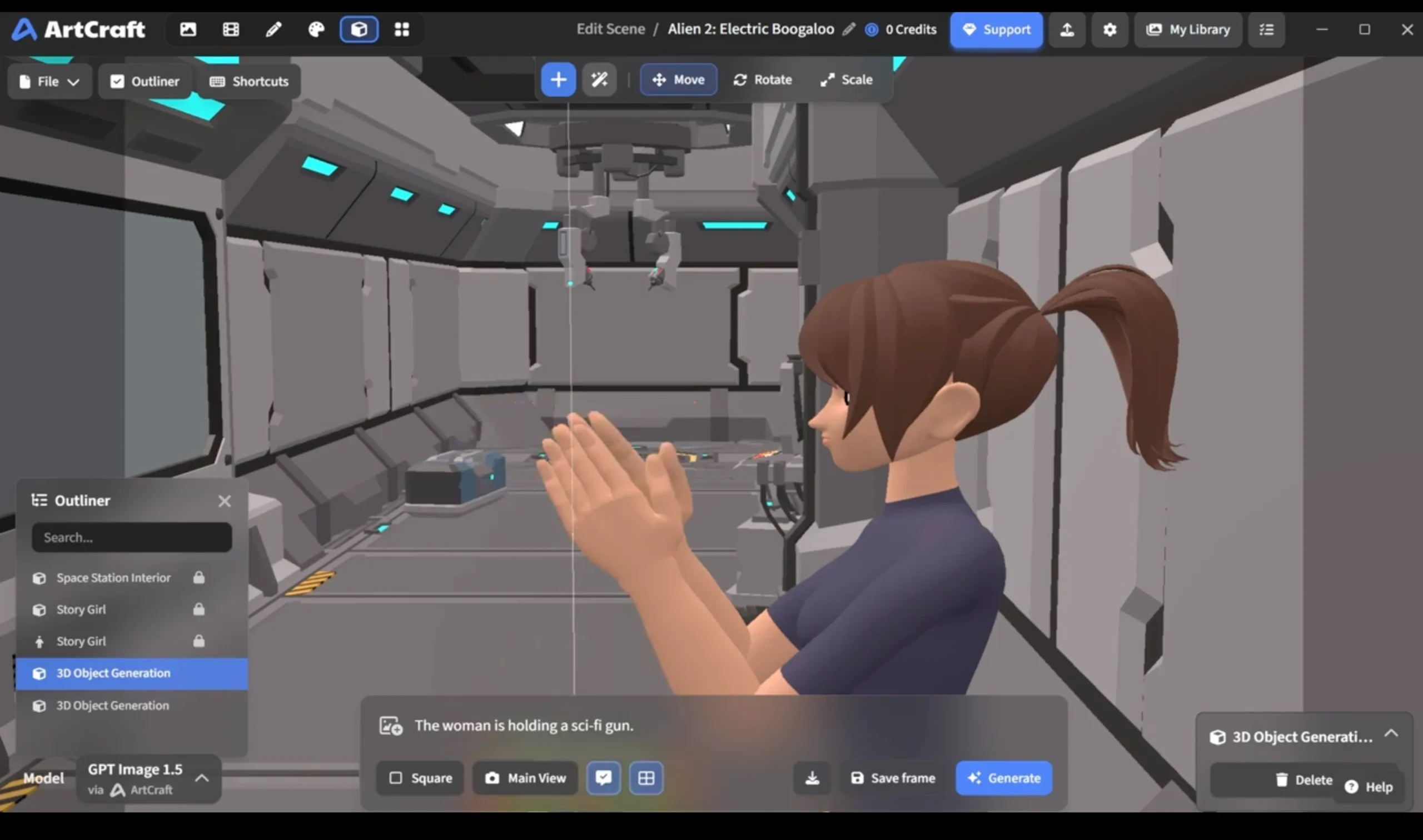
ArtCraft describes itself as an intentional crafting engine for artists, designers and filmmakers, and it added about 35,900 stars in October, 92 percent of its lifetime total. The word doing the work in that description is intentional. This is positioned against prompt-and-pray image generation. It aims at people who want to direct a result. It is one of three entries from the storytold organisation that trended in October. In fact, October was a productive month.
Best For:
- Designers and filmmakers who need repeatable, directed output rather than lucky prompts
- Creative teams evaluating open alternatives to hosted generation tools
- Anyone interested in how generative interfaces evolve past the prompt box
GitHub Repository: https://github.com/storytold/artcraft
5. mattpocock/skills (~314K stars)
Matt Pocock’s agent skills directory returns from the August list. Moreover, it is now the largest repository with 314,000 stars. It added about 35,400 in October. On share alone, 11 percent, it is the weakest performer here. However, that framing is misleading like Codex’s was. A repository adding 35,000 stars on a base of 279,000 is not losing momentum. Consequently, it is compounding, which is harder. Two months of five-figure monthly growth after the initial surge is the strongest evidence on this list that agent skills are a durable category rather than an August fashion.
Best For:
- Developers who want small, composable skills instead of an opinionated end-to-end framework
- Teams standardising how agent behaviour is packaged and shared internally
- Engineers who want a reference example of a well-structured skills repository
GitHub Repository: https://github.com/mattpocock/skills
6. Niko1221/Strata (~40K stars)
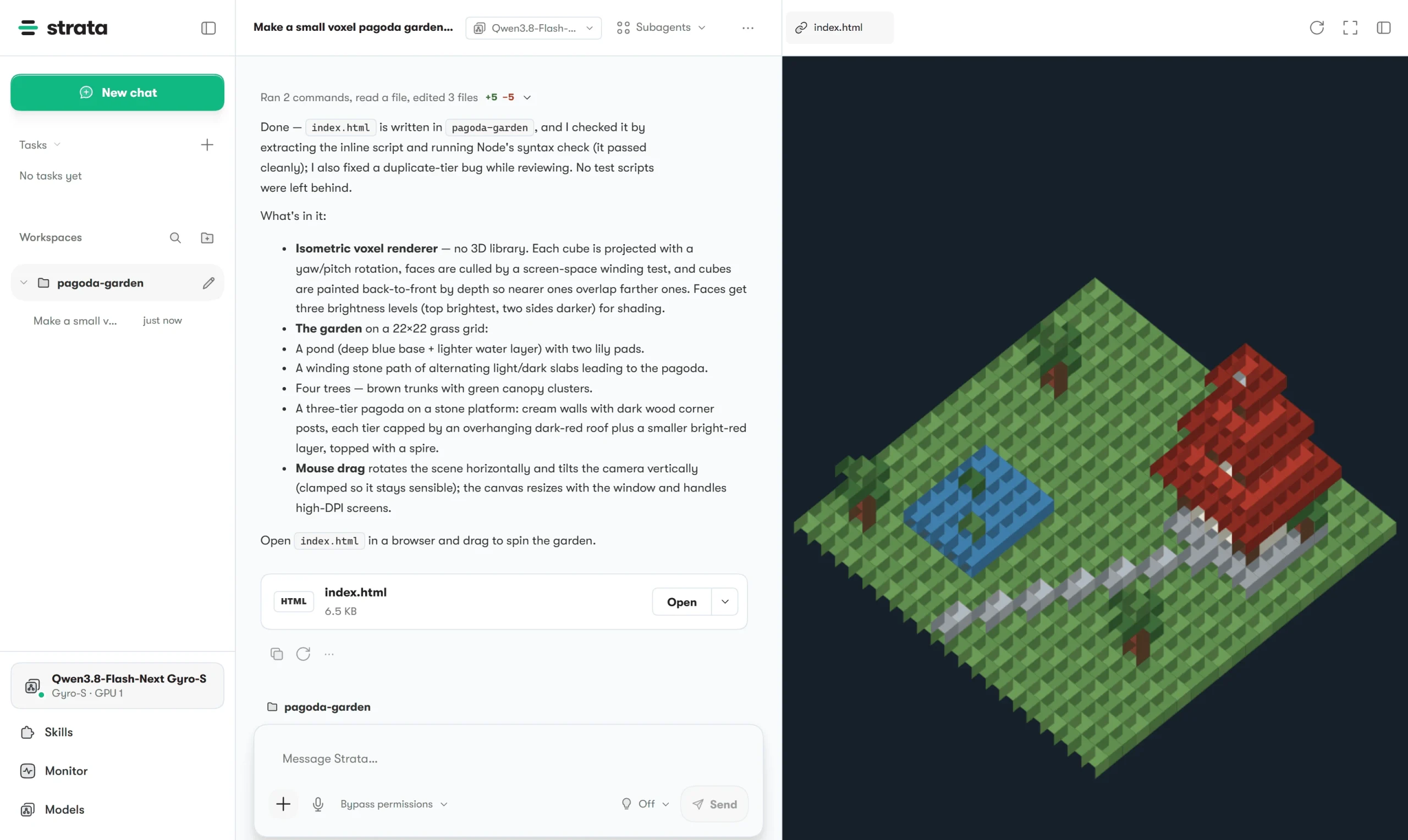
Strata is a one-click installer for Windows and Linux that runs Qwen3.8-Flash-Next on consumer hardware, serving OpenAI- and Anthropic-compatible APIs on localhost with optional image input. It added roughly 34,000 stars in October, 84 percent of its lifetime total. The compatible-endpoint detail is the important one: anything already written against those two APIs points at a local Strata instance with a changed base URL and nothing else. Local inference projects have existed for years, and the ones that break out are consistently the ones that remove installation friction rather than the ones that squeeze out more tokens per second.
Best For:
- Developers who want a local model behind an API their existing code already speaks
- Teams prototyping against frontier-class models without per-token costs
- Anyone with capable consumer hardware and no appetite for a CUDA afternoon
GitHub Repository: https://github.com/Niko1221/Strata
7. DietrichGebert/ponytail (~185K stars)
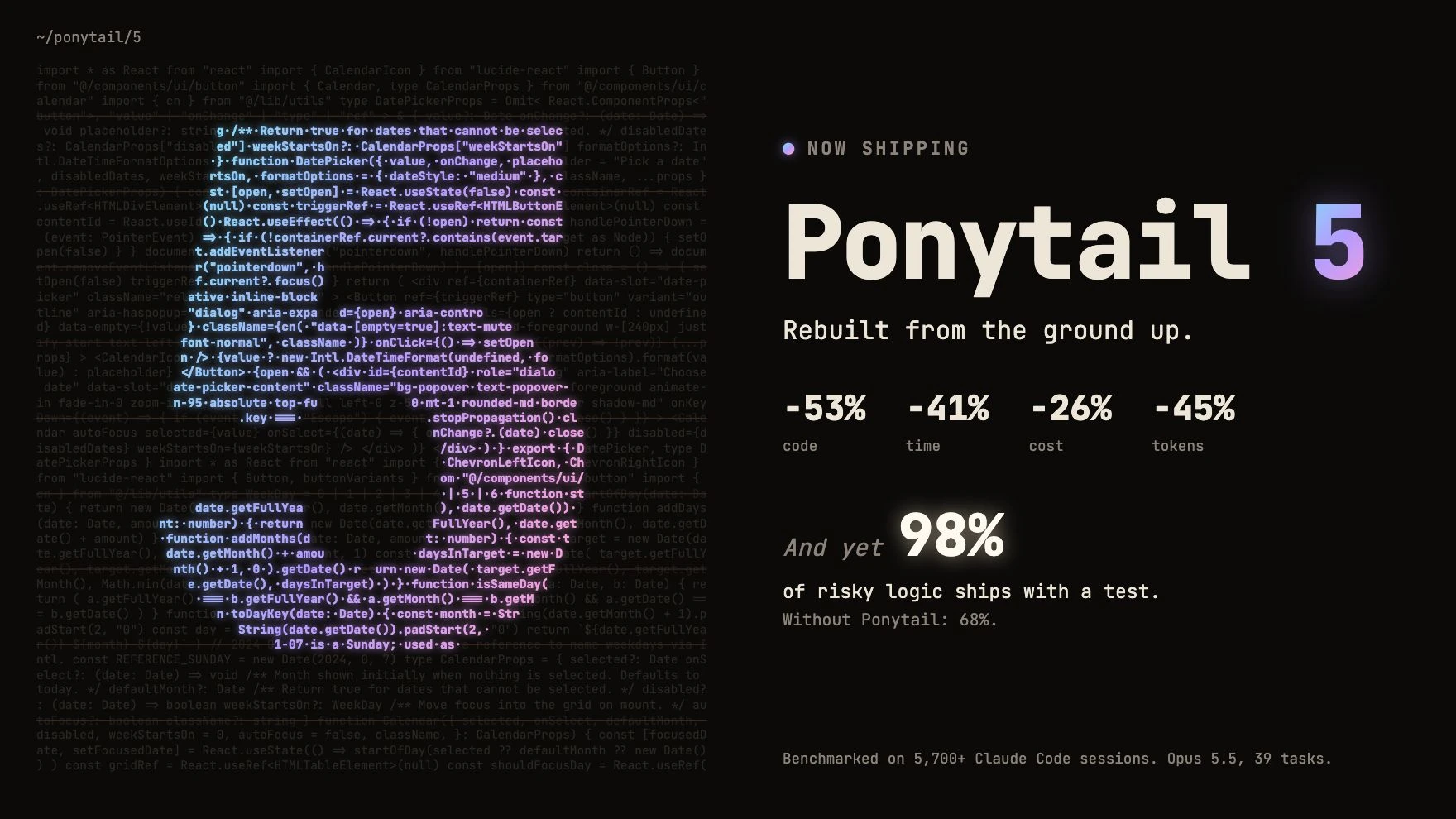
Ponytail also returns from August, having added roughly 32,400 stars in October to reach about 185,000. It is the agent skill that makes a coding agent behave like a senior engineer who deletes more than they add, walking a ladder of questions before writing anything: does this need to exist, is it already in the codebase, does the platform handle it, can it be one line. It remains the best-evidenced project across both lists, and the reason is still the same. Its maintainer publicly withdrew an earlier, more flattering benchmark claim after a contributor pointed out the baseline was unfair. Two months on, that correction is looking less like a one-off and more like how the project operates.
Best For:
- Teams whose agents install a library for something the platform already does
- Engineering leads trying to measure and control the cost of AI-assisted development
- Anyone who wants agent tooling that publishes its methodology and corrects itself
GitHub Repository: https://github.com/DietrichGebert/ponytail
Conclusion
The projects above share a common thread: in October, developers starred the layers around models, including agent tooling, reusable skills, local inference and privacy-minded applications, far more than the models themselves. Whether you are reverse engineering binaries, running models locally or shaping how your coding agents behave, these repositories show where attention is moving. As always, treat star counts as a signal of demand rather than quality, and read the code before you adopt anything.