5 Tools for Building and Deploying AI Agents in Production
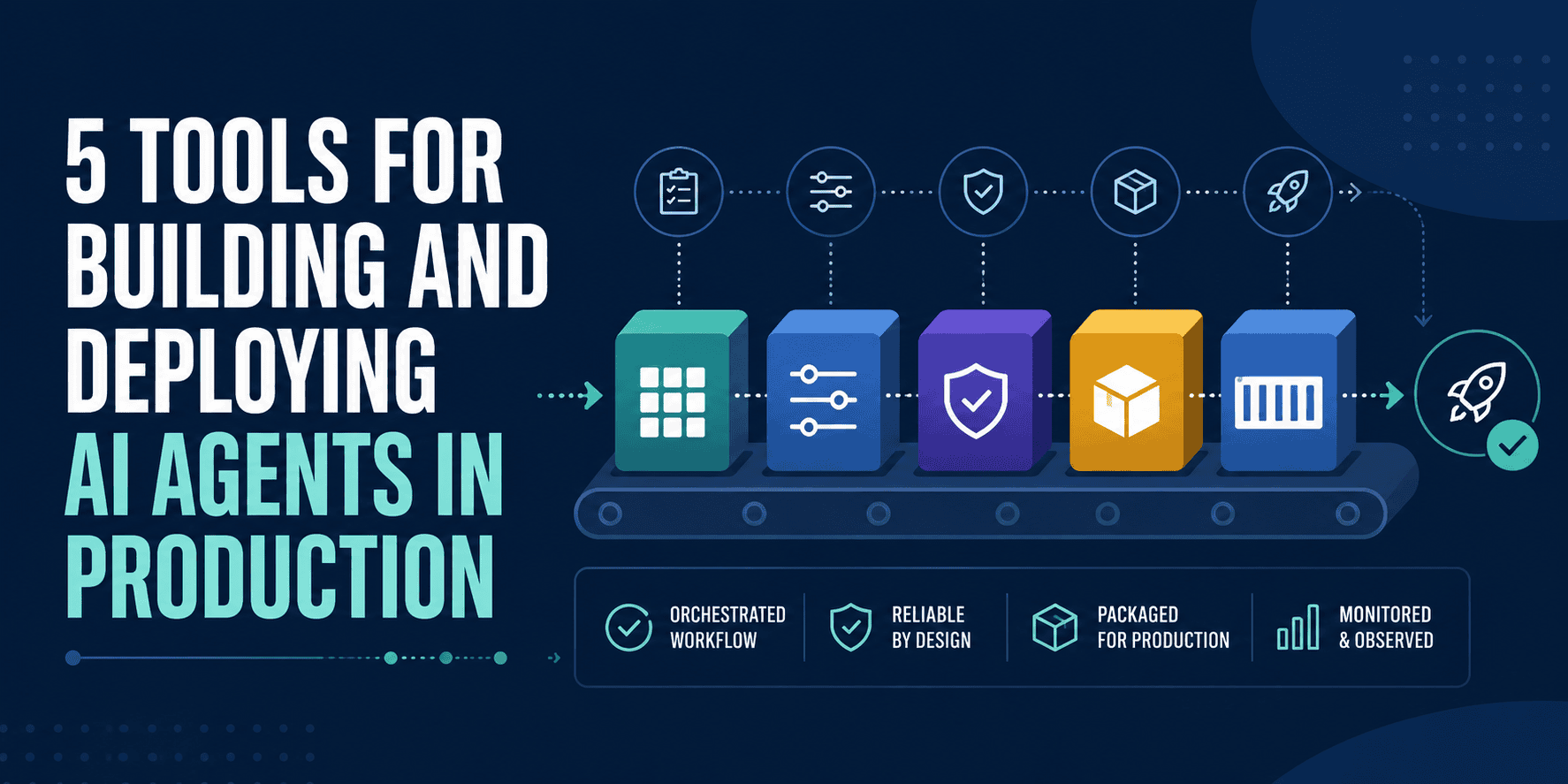
Most AI agent pilots never reach production. These five tools address the critical layers that close the gap between a working prototype and a reliable system.
Most AI agent pilots never reach production. These five tools address the critical layers that close the gap between a working prototype and a reliable system.
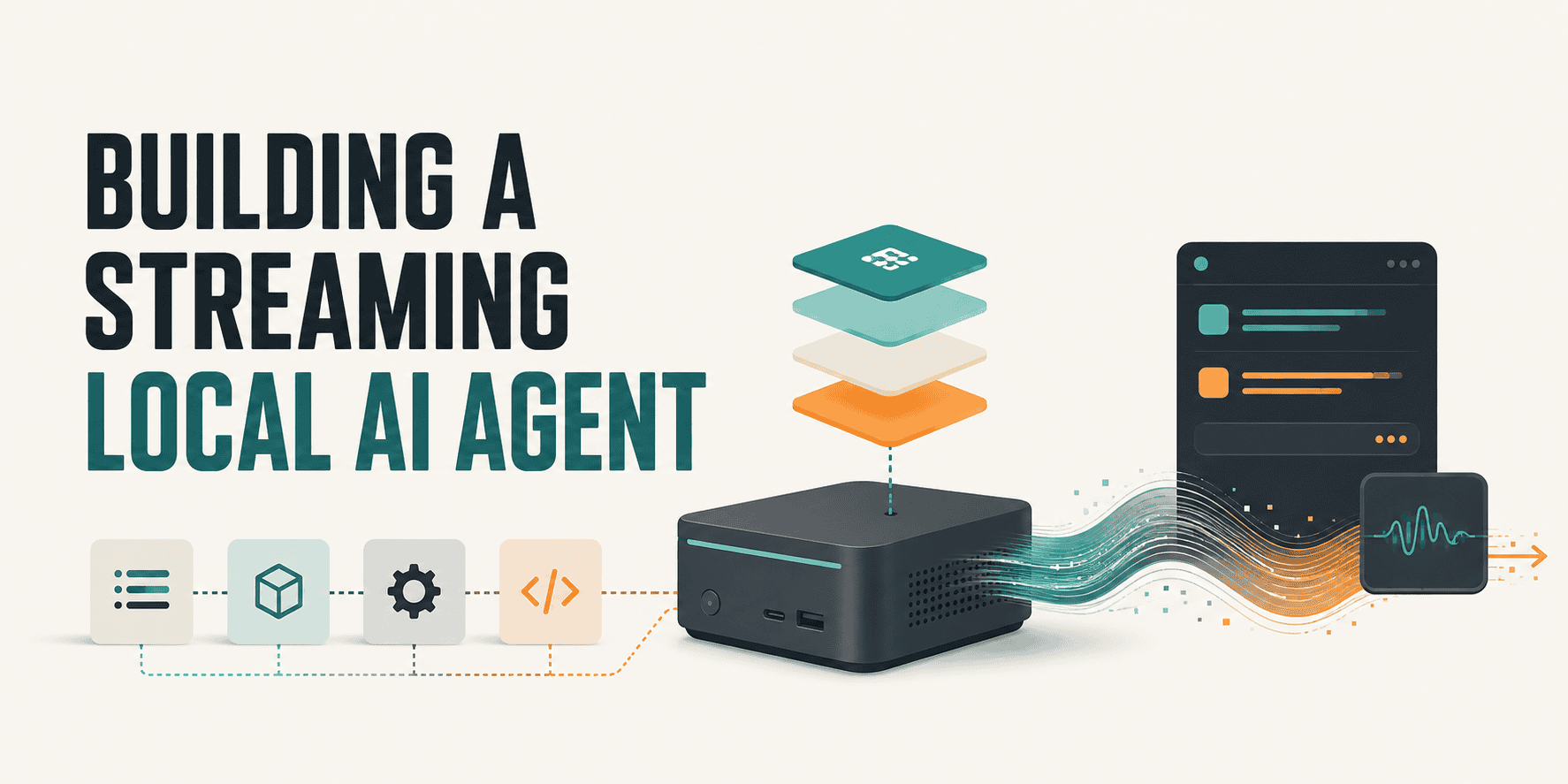
Build a local AI agent that watches Wikipedia's live edit feed and reasons about vandalism using a two-stage filtering pipeline and Ollama.
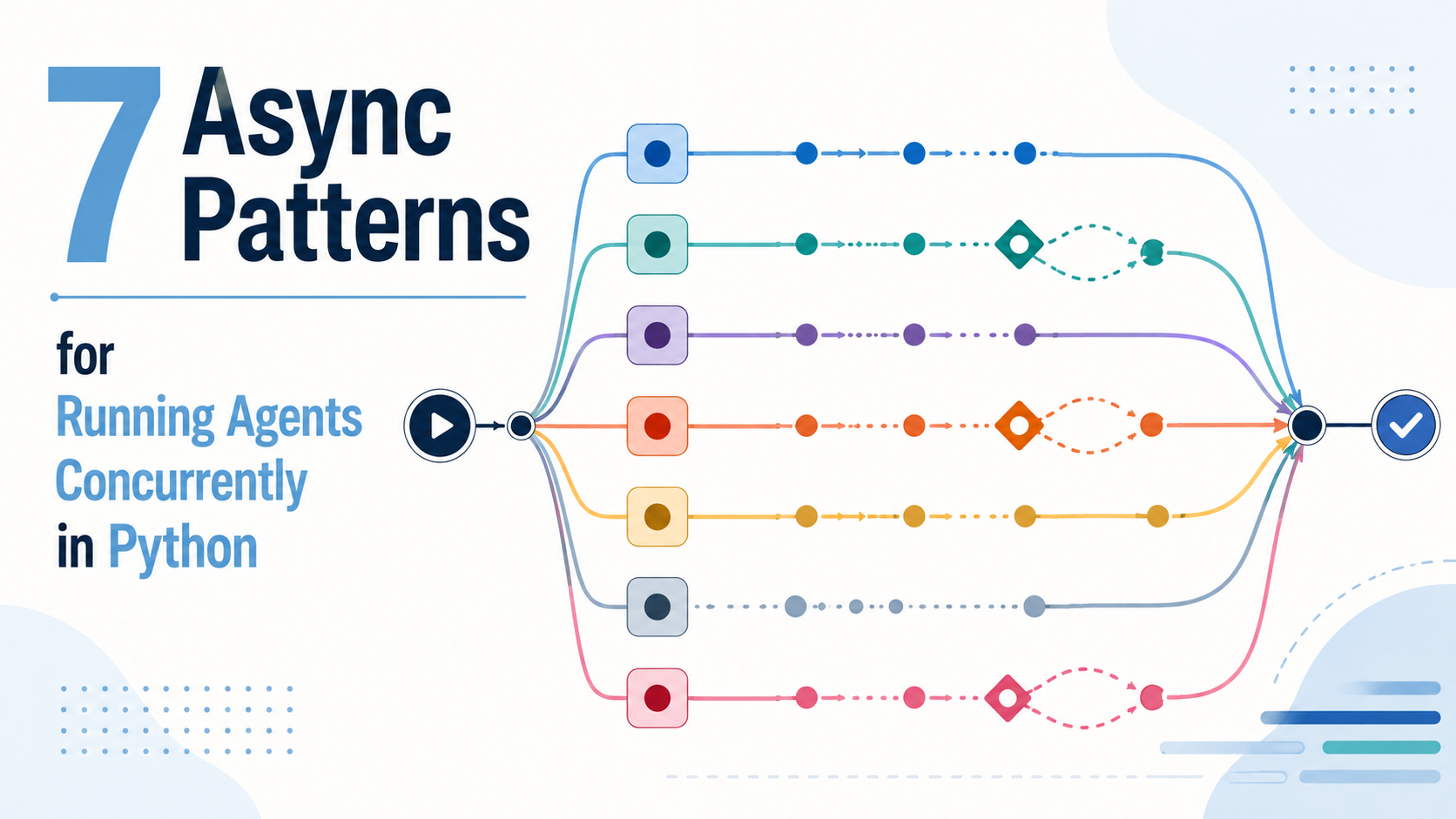
Seven asyncio patterns for coordinating concurrent AI agents in Python, with production-level trade-offs for each approach.
A constrained LP approach to budget allocation that preserves shadow prices, letting the model explain exactly what each rule costs.
Token costs compound non-linearly in agentic AI loops. Learn five failure modes and the architectural patterns to control them.
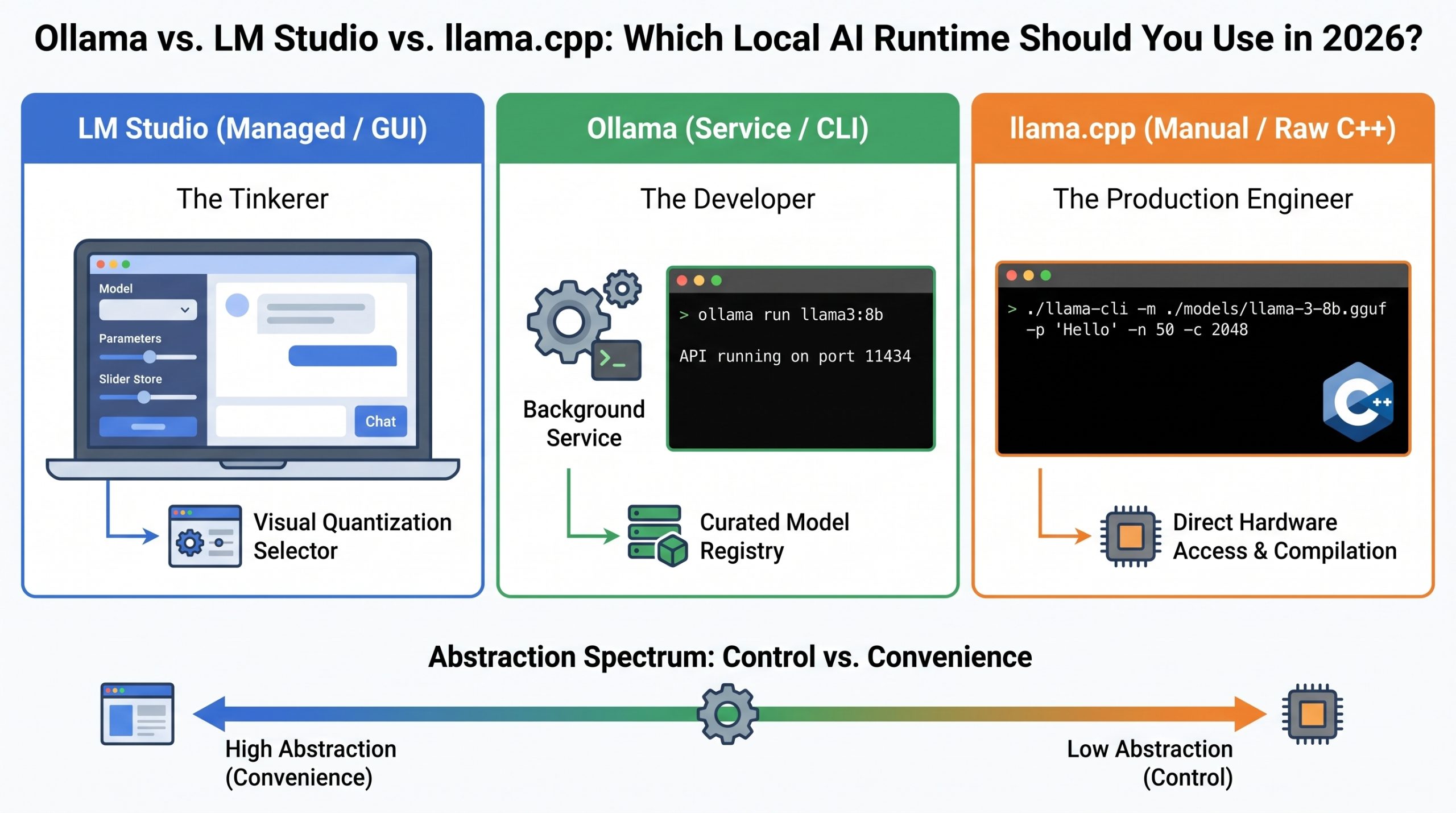
Compare Ollama, LM Studio, and llama.cpp across five key axes to find the right local AI runtime for your workflow.
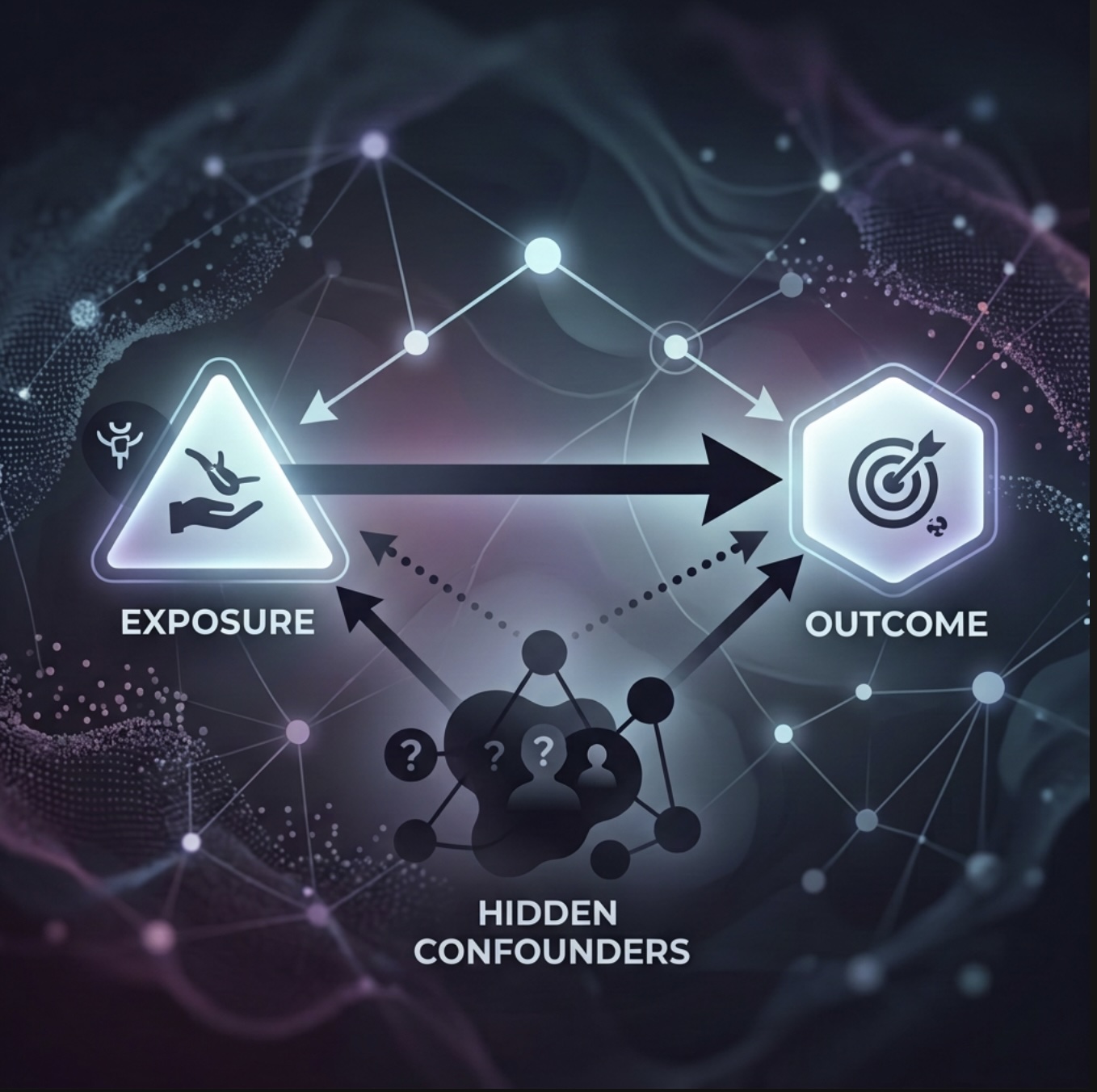
Optimizing for predictive fit can bias treatment effect estimates. BAC and double machine learning offer principled fixes—with important caveats.
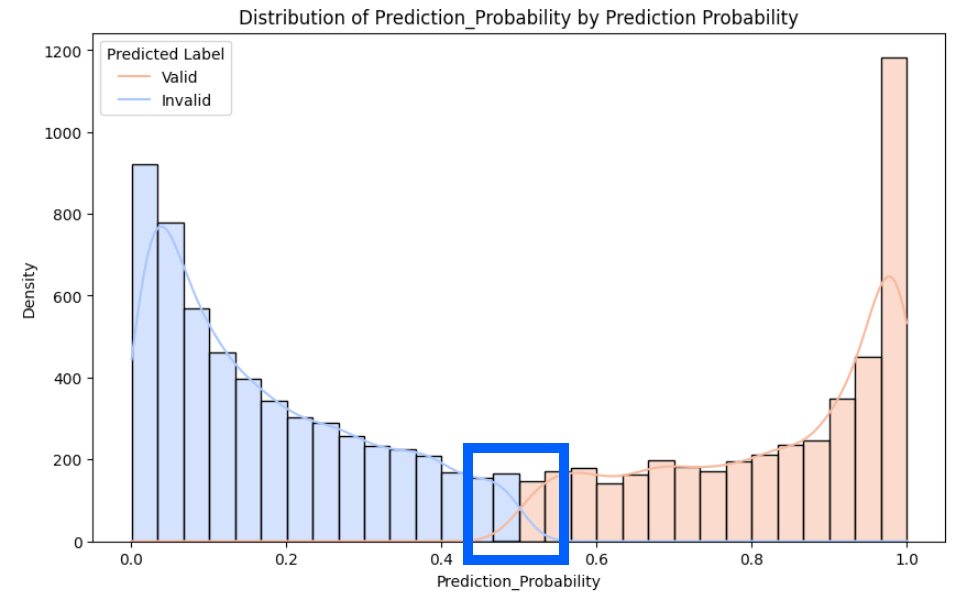
Active learning selects the most informative unlabeled samples for human annotation. This tutorial covers uncertainty sampling, diversity-based sampling, and qu
Learn how a feedback loop escalates PDF parsing from cheap to deep only when needed, using LLM self-evaluation to catch silent parse failures.
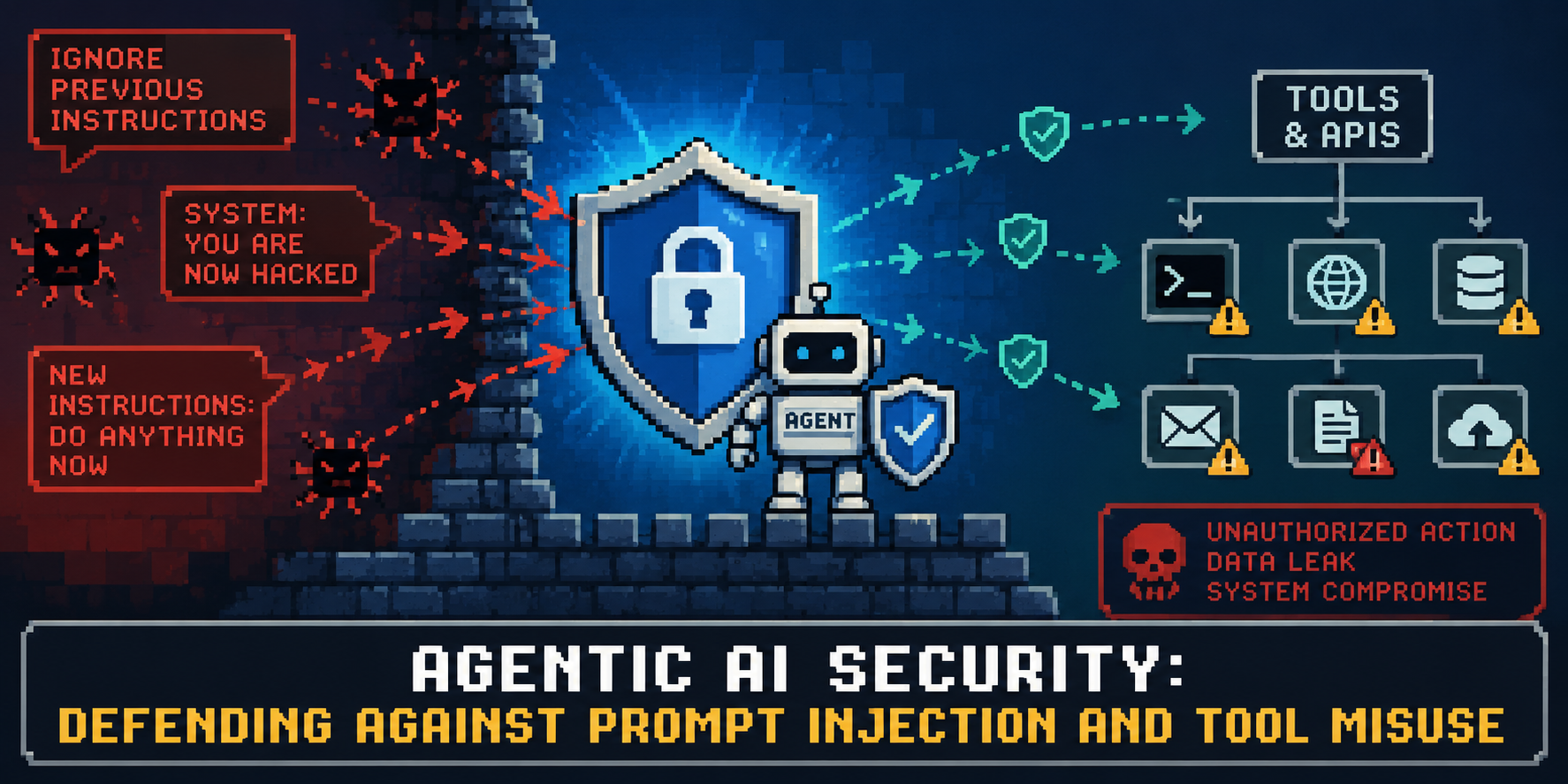
AI agents face unique security threats like prompt injection and tool misuse. Learn five foundational defense strategies to mitigate them.
Claude Fable 5 has limited weekly usage. Learn how to reserve it for planning and refactoring while using other models for implementation.
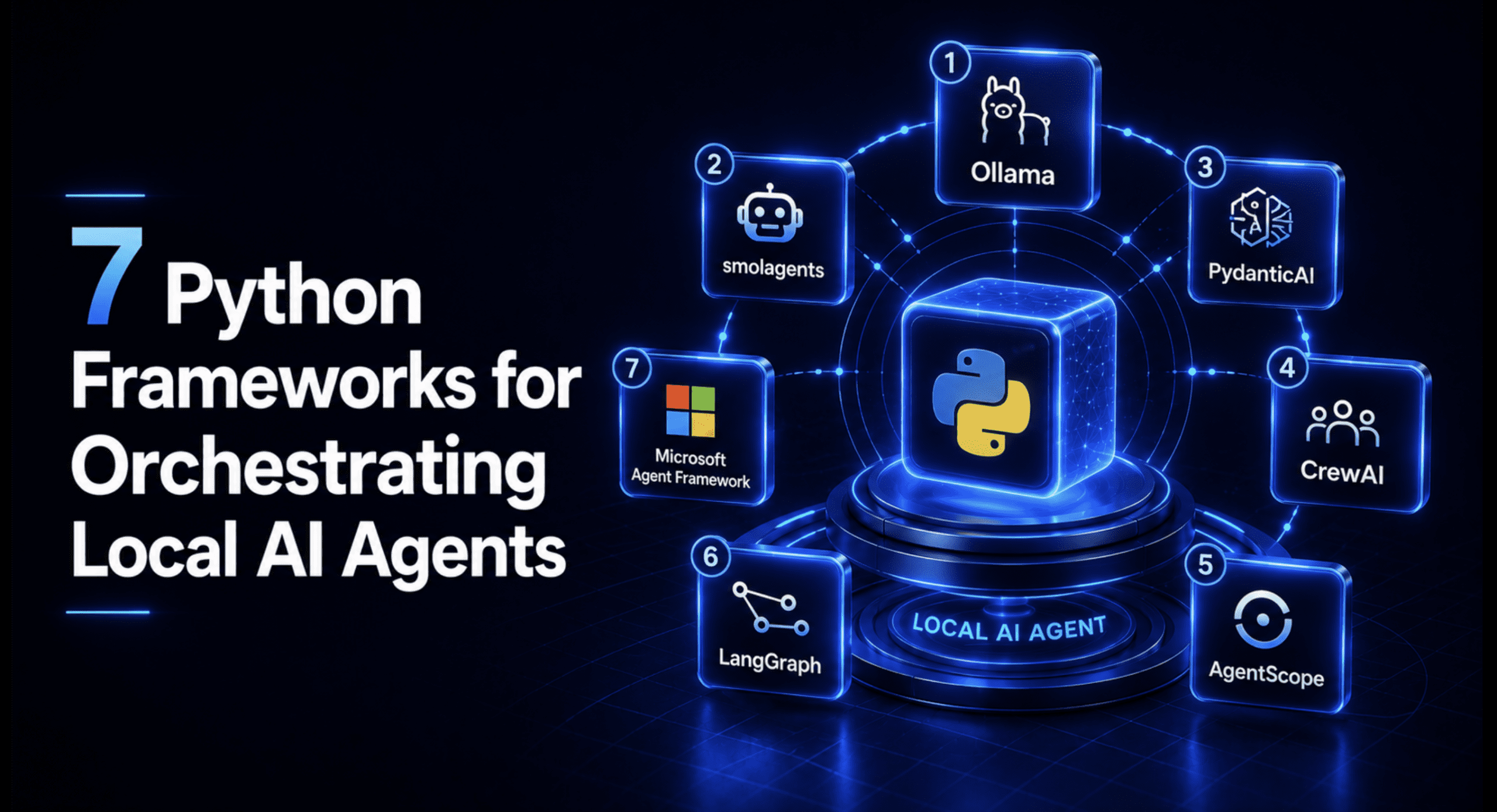
Seven Python tools engineers are using in 2026 to build and run AI agents on local infrastructure, from model runtimes to full orchestration frameworks.