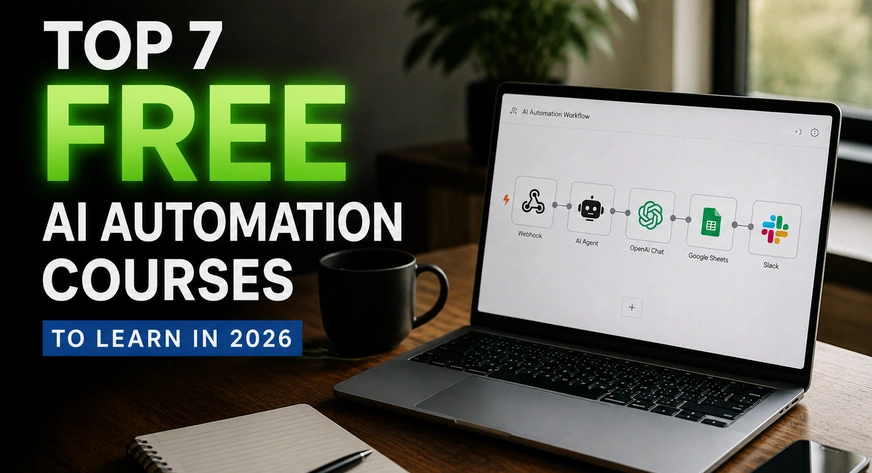
7 Free AI Automation Courses with Certificates
Seven free courses covering n8n, Make, Zapier, and crewAI to help you build AI-powered workflows and agents, from beginner to advanced.
Seven free courses covering n8n, Make, Zapier, and crewAI to help you build AI-powered workflows and agents, from beginner to advanced.
Rerankers aren't smarter than embeddings—they use the same mechanism, just conditioned differently. Here's what that means for your RAG pipeline.
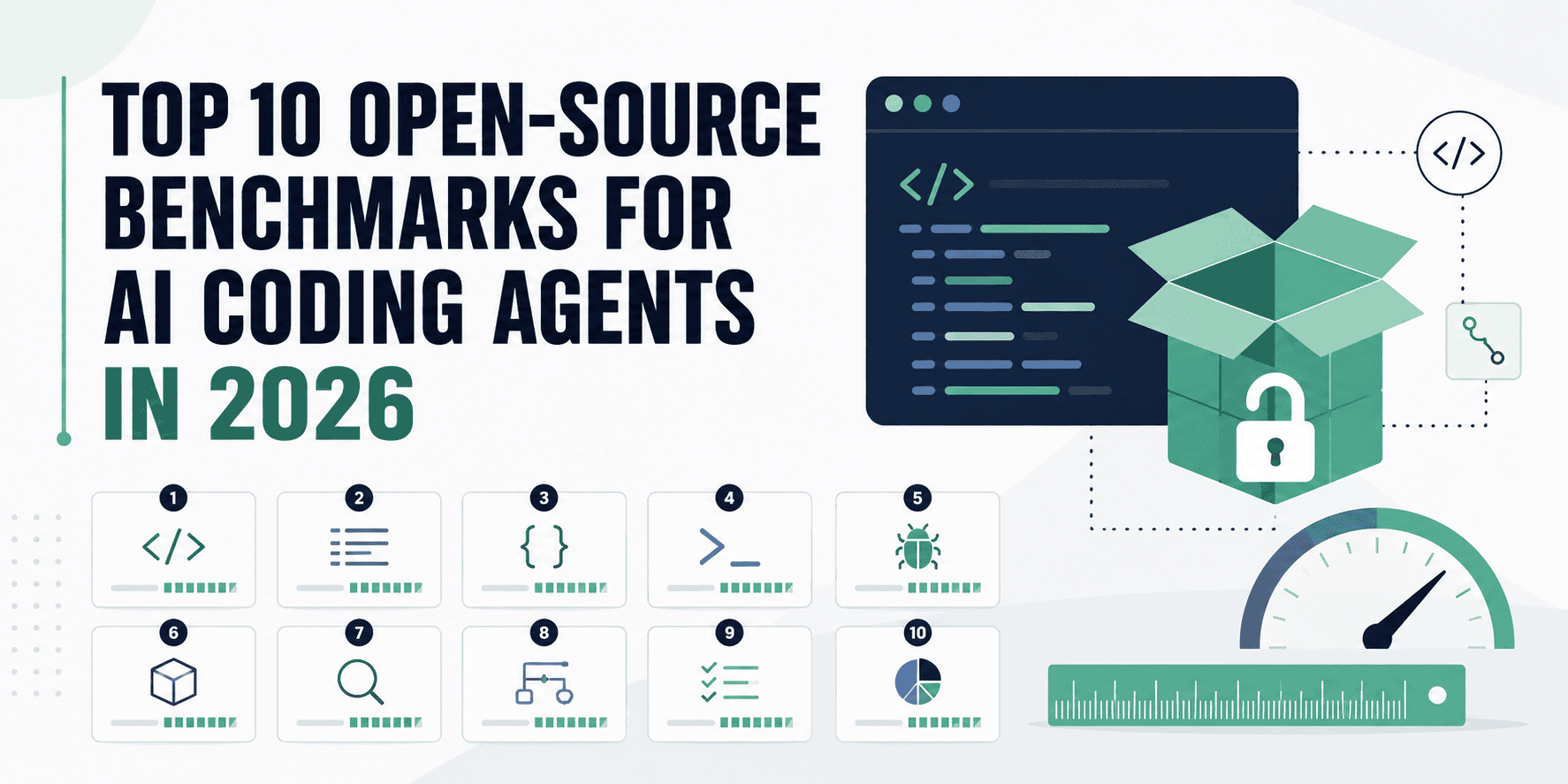
Modern AI coding benchmarks have moved far beyond unit tests. Here are the top 10 open-source benchmarks for evaluating agentic coding systems in 2026.
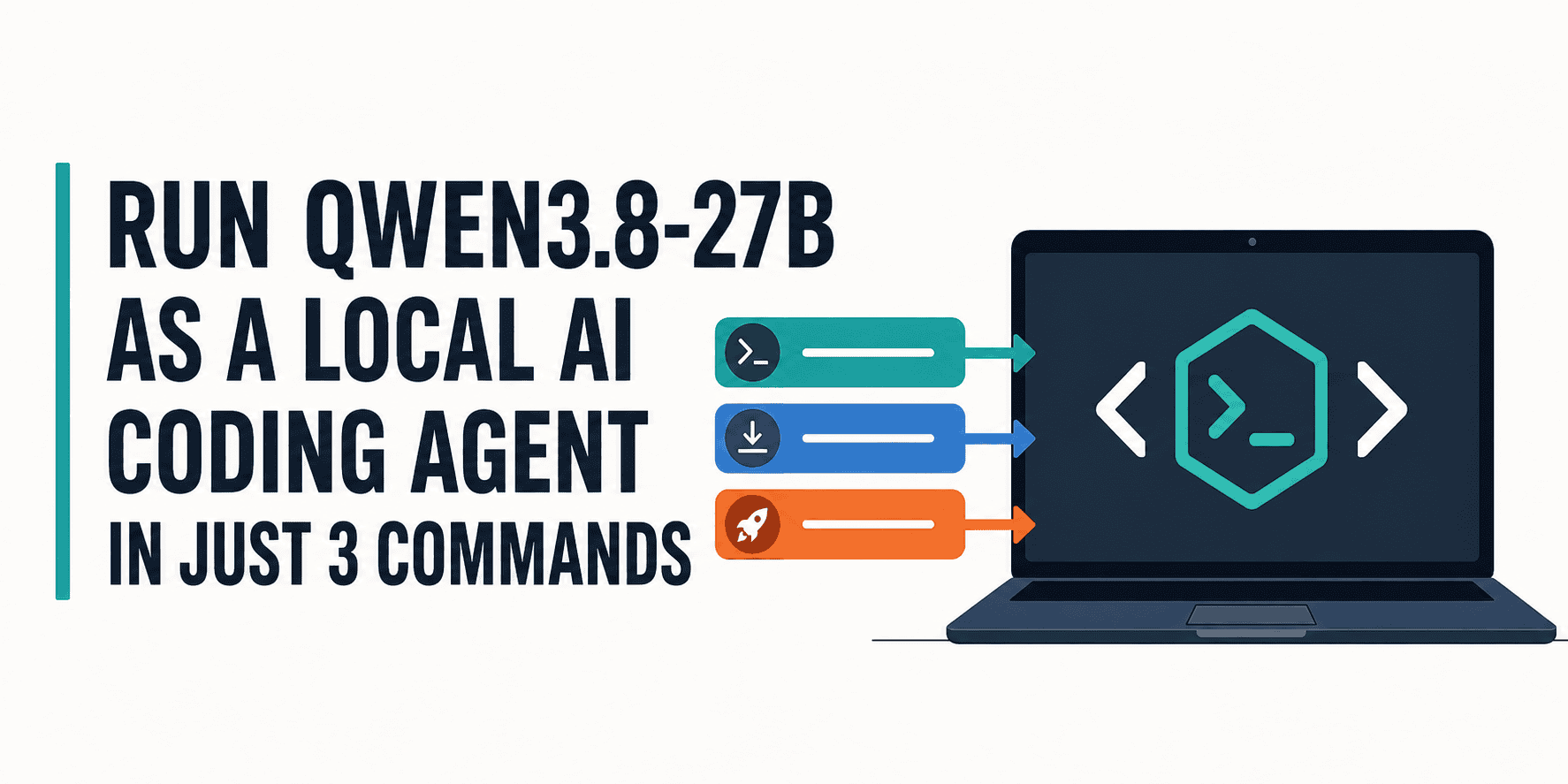
Use Ollama and OpenCode to run Qwen3.8-27B locally as an AI coding agent. No server configuration required — just three terminal commands.
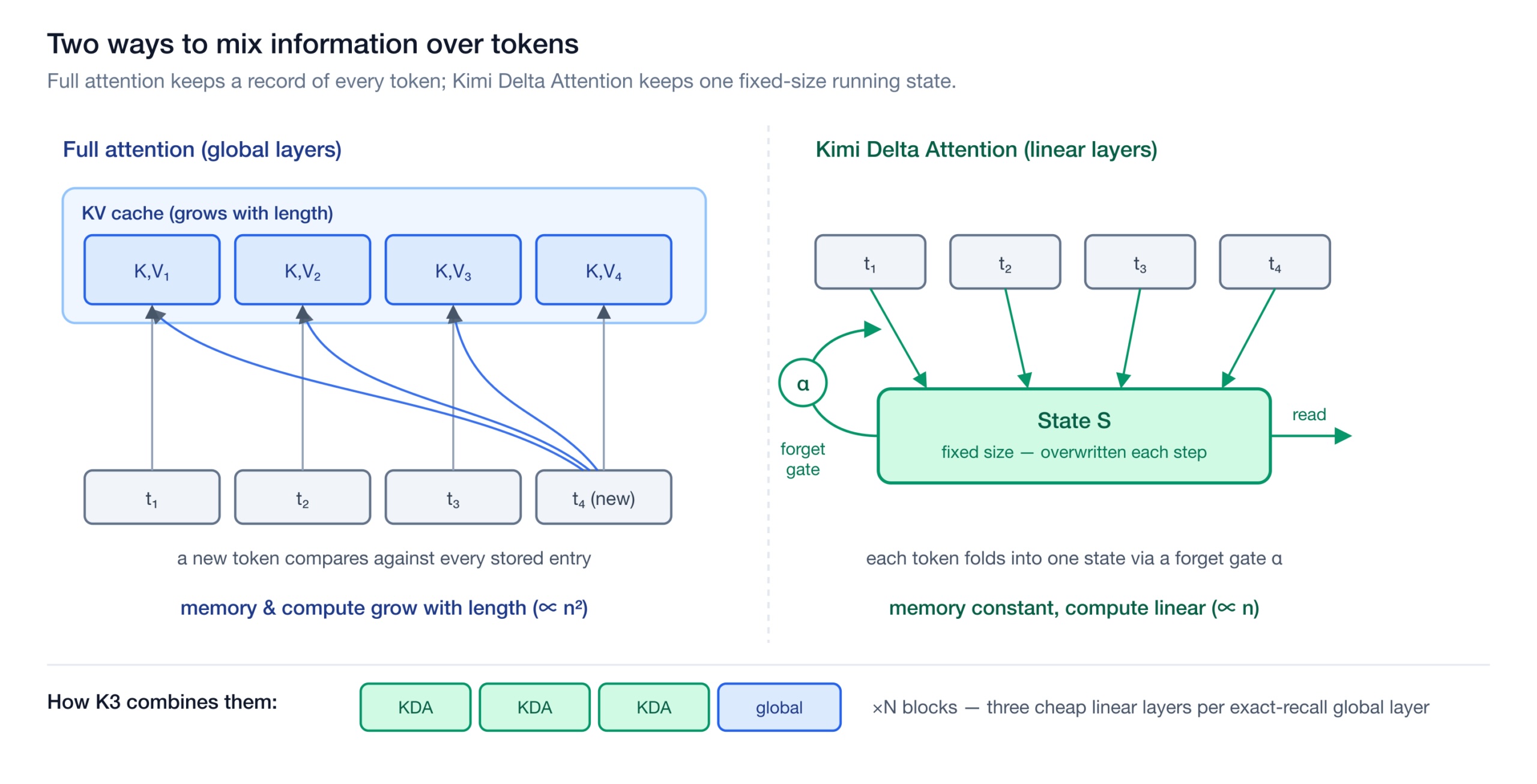
Moonshot's Kimi K3 report reveals the training, architecture, and RL decisions most frontier labs keep private. Here's what it says.
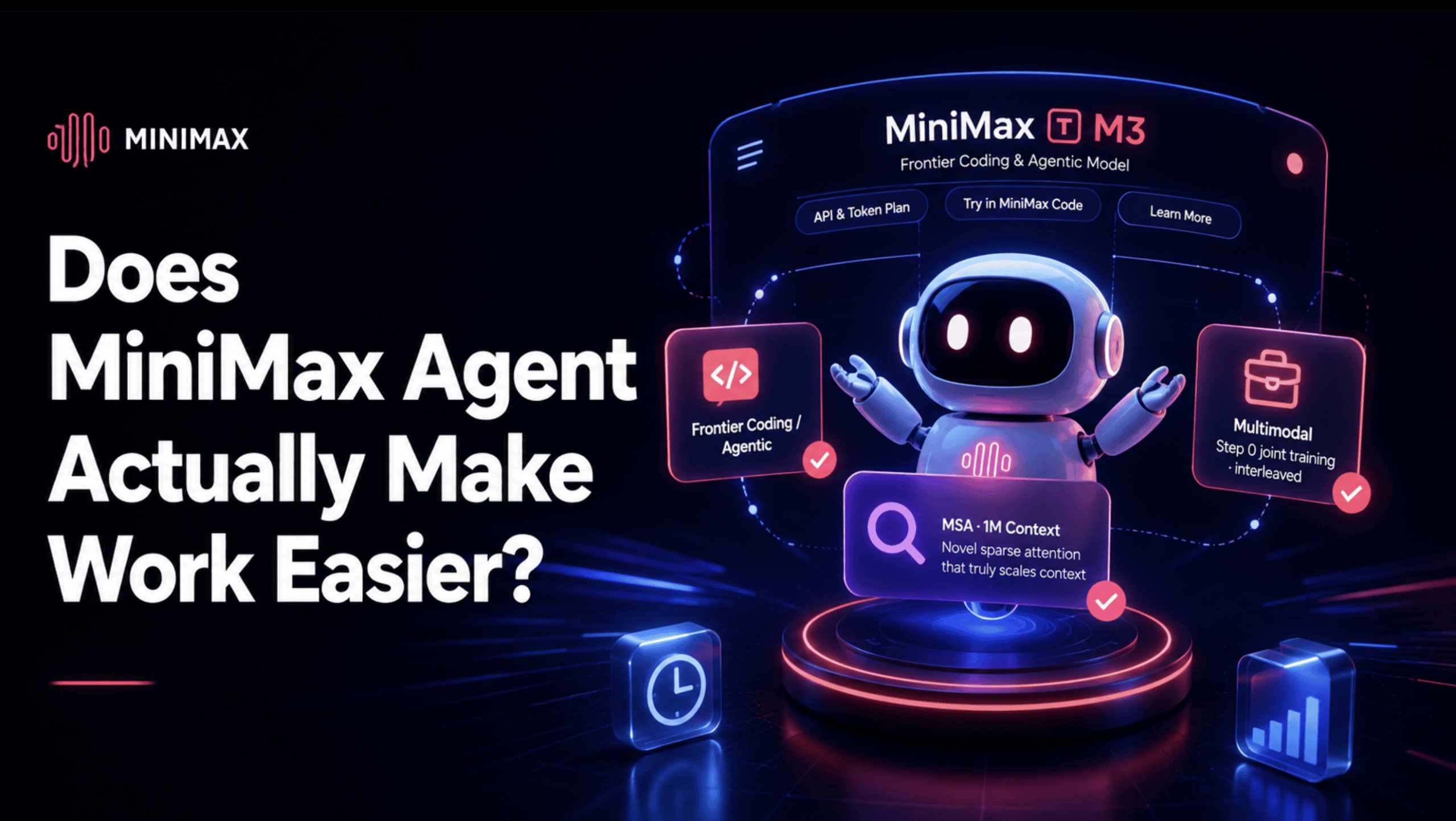
MiniMax's Agent Teams architecture splits tasks across Leader, Worker, and Verifier roles. Here's what that means in practice, tested against the real API.
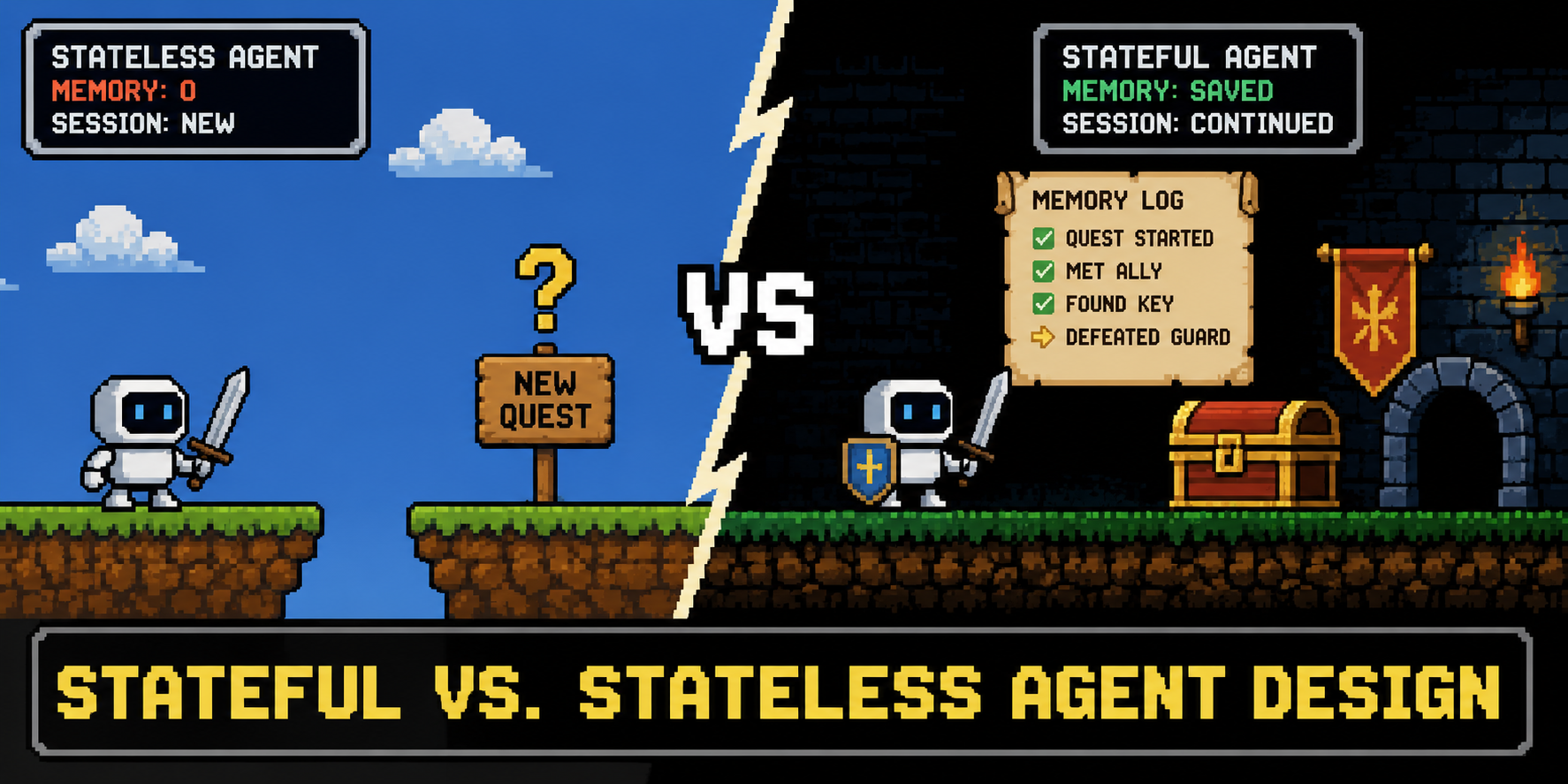
Learn how stateless and stateful agent designs differ, and how each approach shapes memory management, scaling, and deployment architecture.
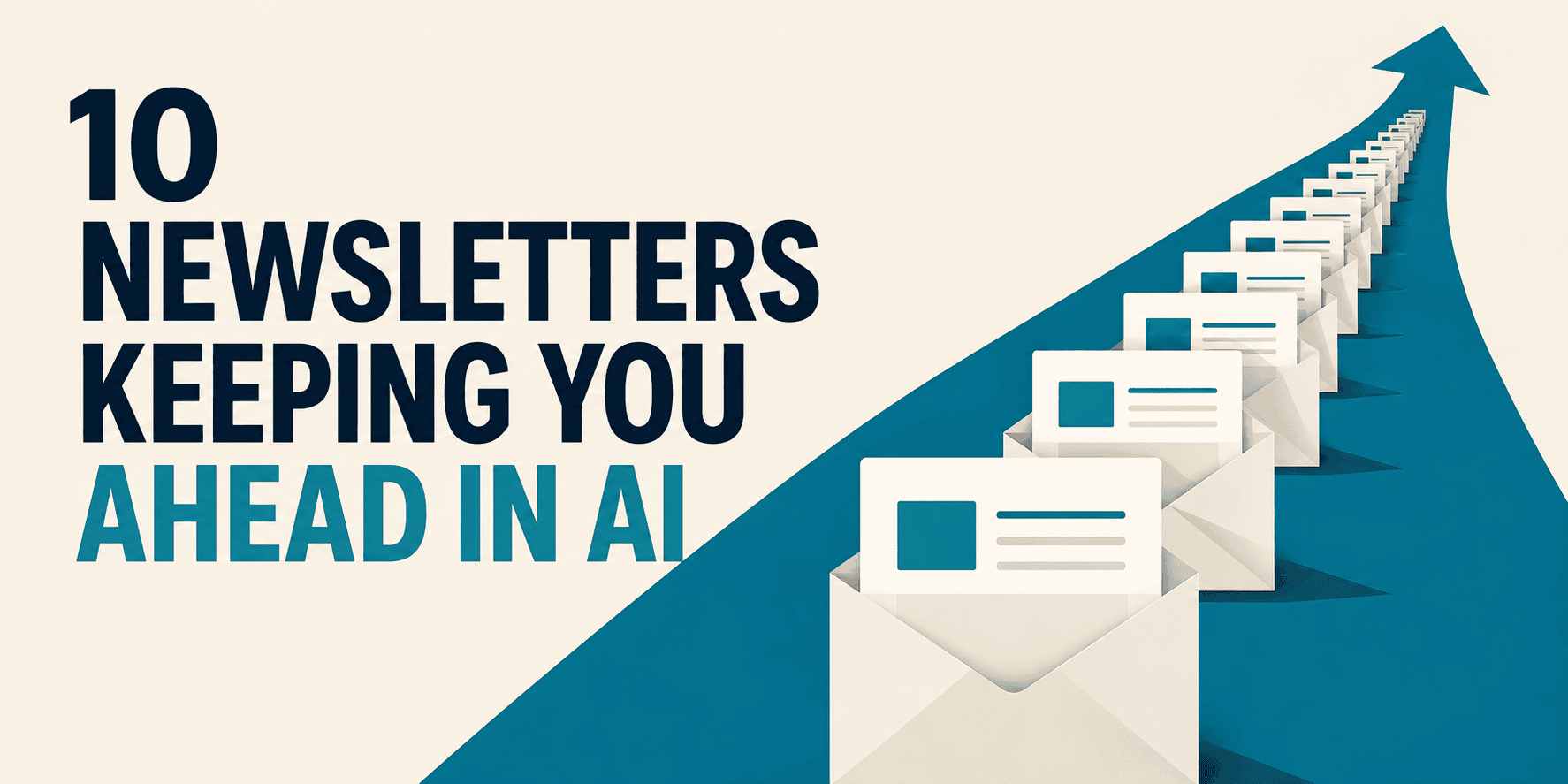
A curated guide to 10 AI newsletters organized by purpose: daily news, technical research, policy analysis, and builder ecosystem coverage.
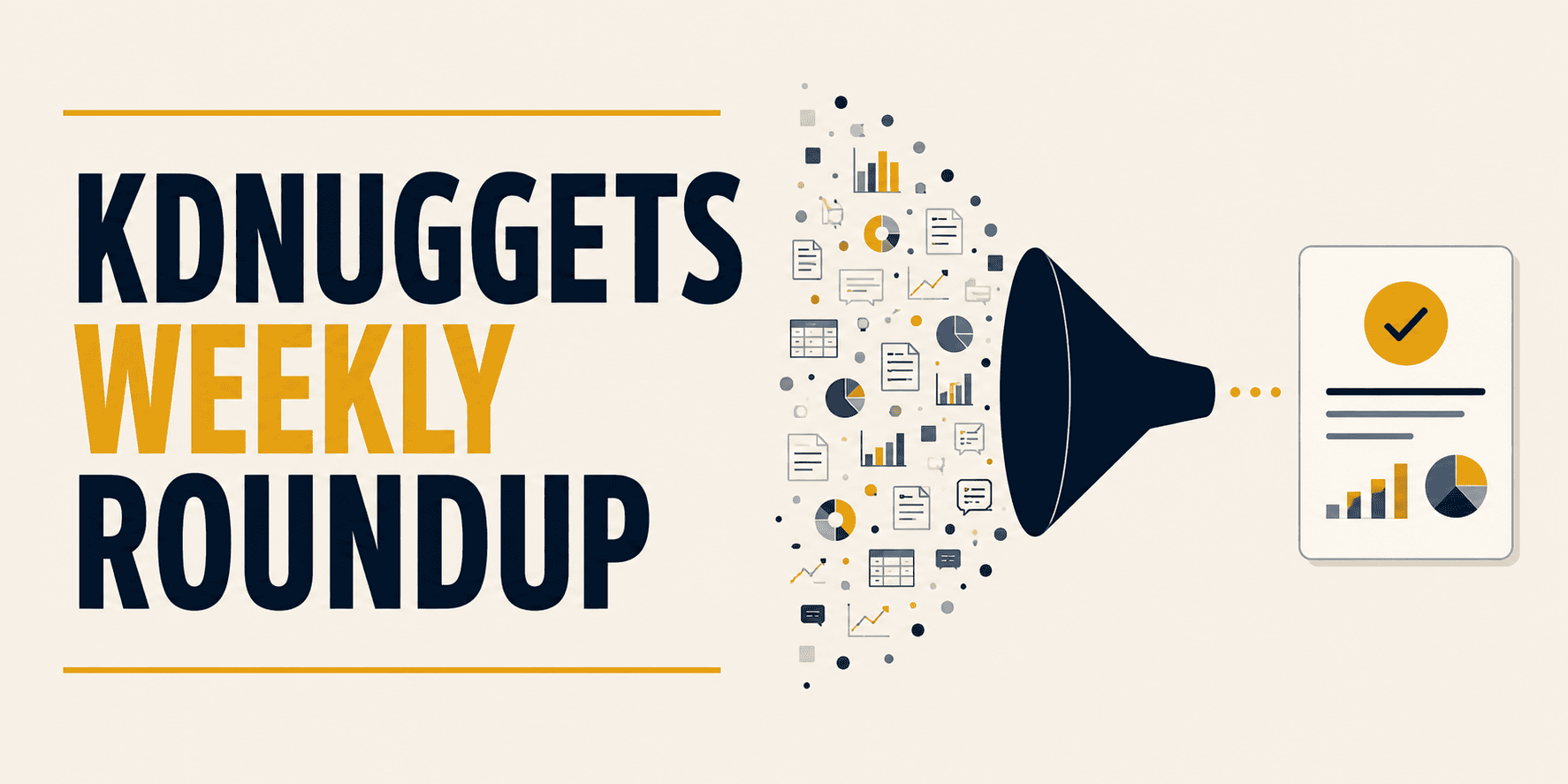
This week's top picks cover LLM optimization, SQL portfolios, Git worktrees, agentic AI, and Python patterns for production-ready data workflows.
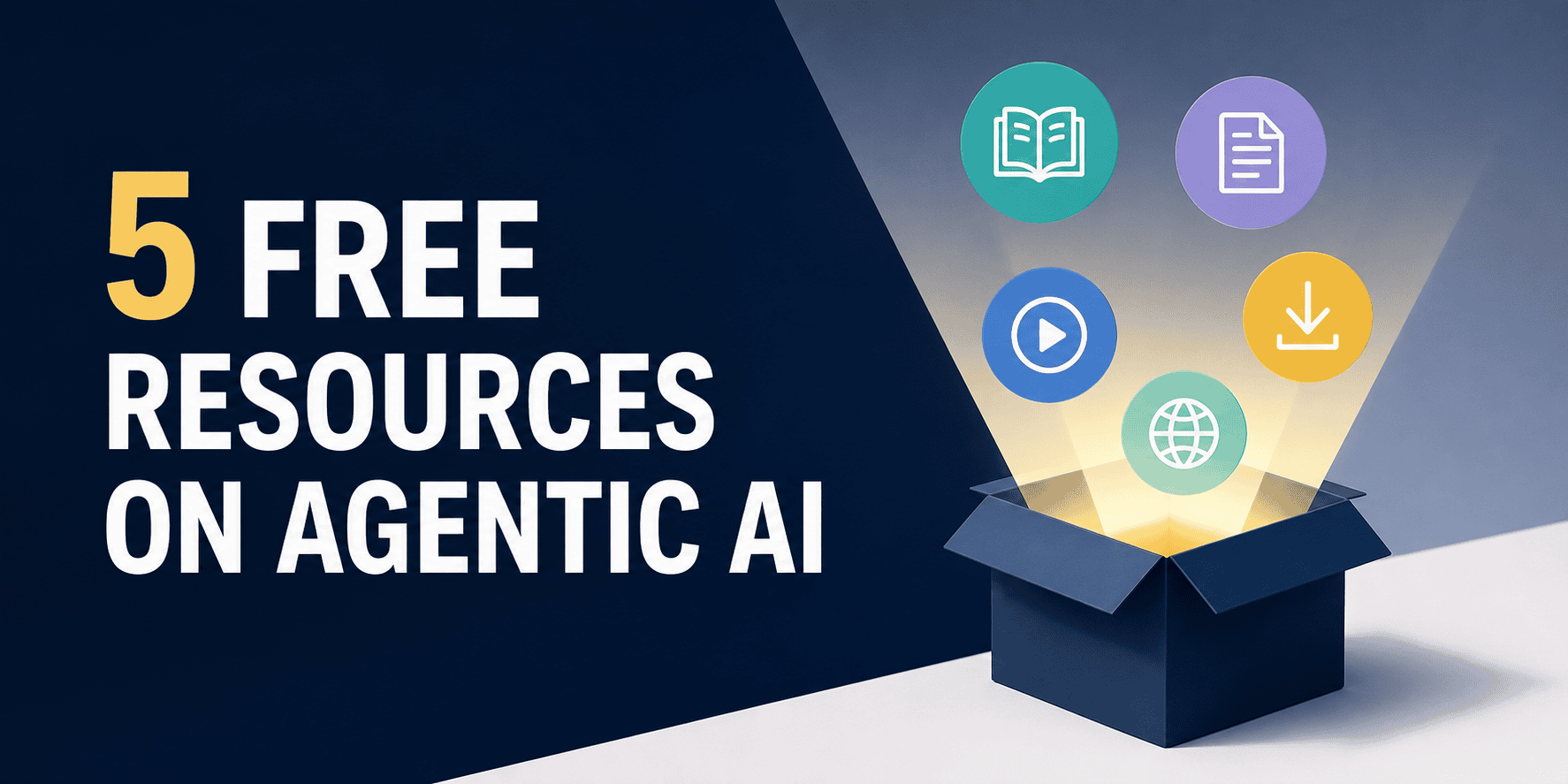
Five free resources covering agentic AI from hands-on courses to foundational theory. Build, understand, and evaluate agents that actually work.
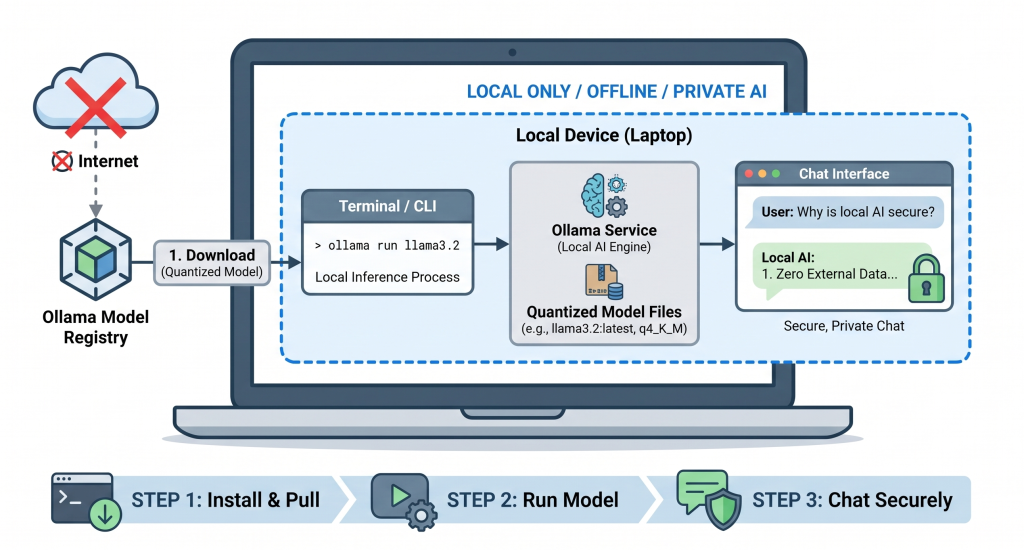
Install Ollama, download a small language model, and run private AI inference on your own hardware in three straightforward steps.
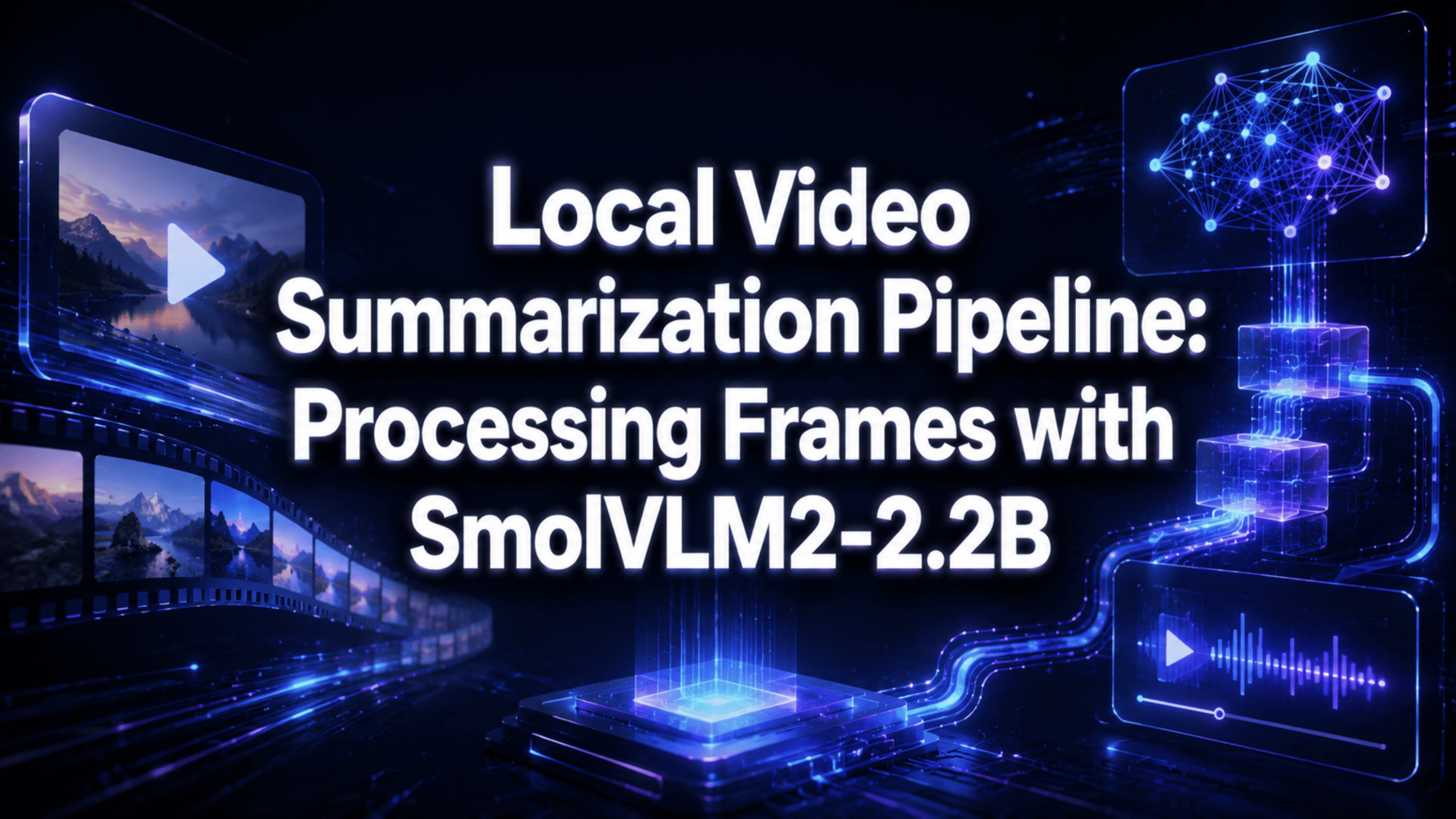
Build a local video summarization pipeline using SmolVLM2-2.2B. Runs on consumer GPUs with 5.2 GB VRAM, no cloud API required.