10 Solved Generative AI Projects to Build Your Portfolio
A curated guide to 10 solved AI projects spanning machine learning to generative AI, with tools, learning outcomes, and source code links.
Projects are the bridge between learning and becoming a professional. While theory builds fundamentals, recruiters value candidates who can solve real problems. A strong, diverse portfolio showcases practical skills, technical range, and problem-solving ability.
This guide compiles 10 solved projects across AI domains, from basic machine learning to advanced generative AI systems. The tools and libraries used for creating them have also been mentioned to assist in picking the right project.
1. AI-Powered Search Engine
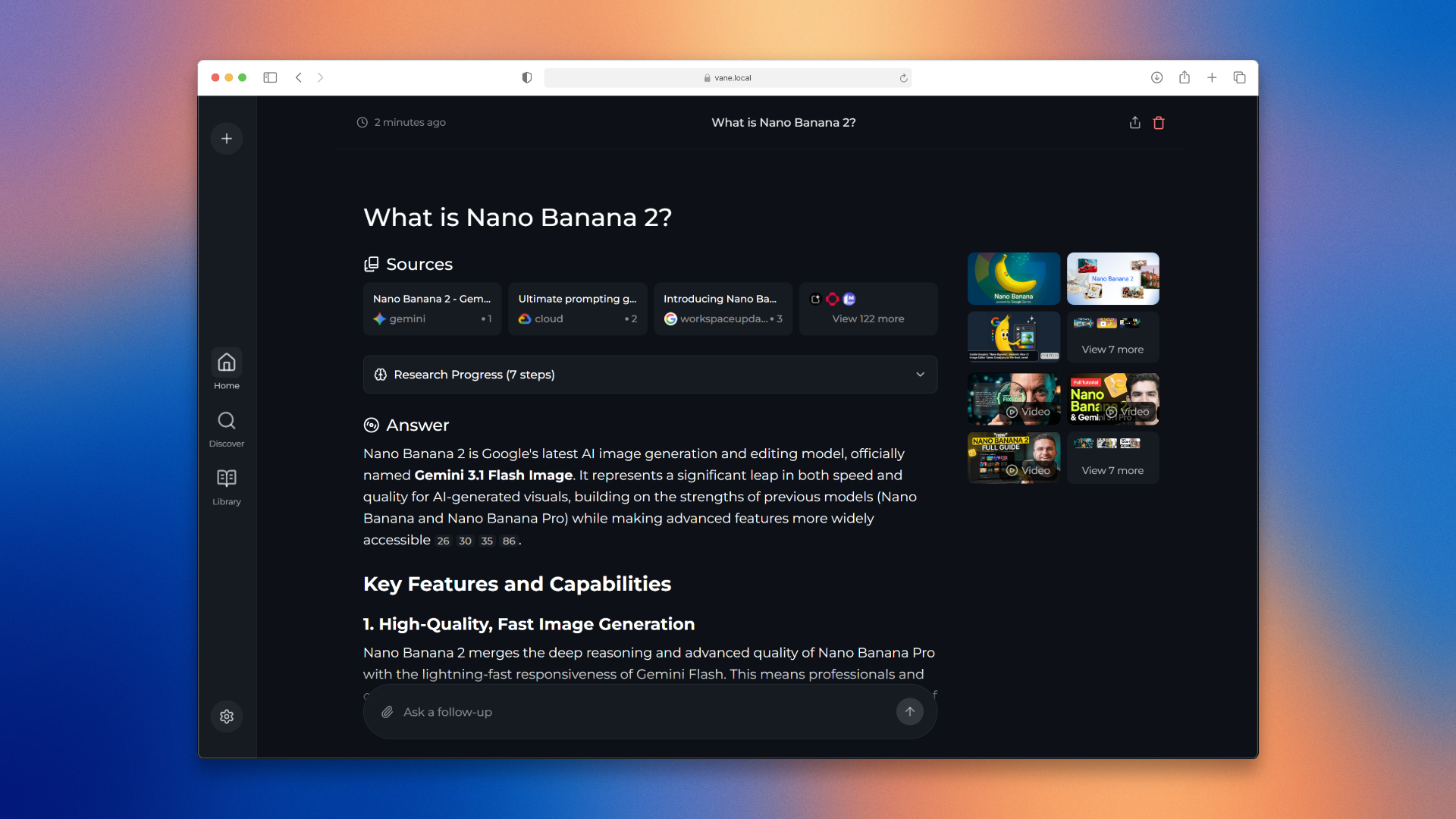
Build an AI-powered search engine that combines web search, embeddings, reranking, and an LLM to return direct, source-backed answers instead of a list of links.
The project can support different search modes, source citations, and specialized searches such as academic or YouTube results. Use Perplexica as a reference for the architecture, then build your own version with fast search and a deeper research mode.
Tools and Libraries: Python, Next.js, SearXNG, Ollama, embeddings, vector search, LLM APIs
What You’ll Learn: Search pipelines, retrieval, reranking, embeddings, grounding, source attribution, and LLM application design.
Source Code: Perplexica GitHub Repository
2. Multimodal AI Podcast Generator

Turn articles, PDFs, URLs, images, or text into a podcast that sounds like a conversation between multiple hosts.
The project should ingest different types of source material, extract the key information, and generate a structured dialogue before converting it into audio. Use Podcastfy as a reference for the workflow, then build your own interface where users can upload sources, choose a podcast style and hosts, and generate the final episode.
Tools and Libraries: Python, Gemini/OpenAI/Anthropic APIs, OpenAI TTS, ElevenLabs, podcastfy, Gradio
What You’ll Learn: Multimodal ingestion, LLM prompting, dialogue generation, TTS, audio processing, and long-form content generation.
Source Code: Podcastfy GitHub Repository
3. AI Music Generation Studio

Build a music-generation application that turns natural-language prompts and lyrics into complete songs.
The project should let users control elements such as genre, tempo, instrumentation, lyrics, and structure, while also supporting remixing and reference audio. Use ACE-Step as a reference for the underlying workflow, then build your own interface that can generate and compare multiple versions of a track.
Tools and Libraries: Python, PyTorch, ACE-Step, Gradio, CUDA, Hugging Face
What You’ll Learn: Diffusion models, audio generation, conditioning, GPU inference, audio processing, and generative media.
Source Code: ACE-Step GitHub Repository
4. Audio + Video Generation App
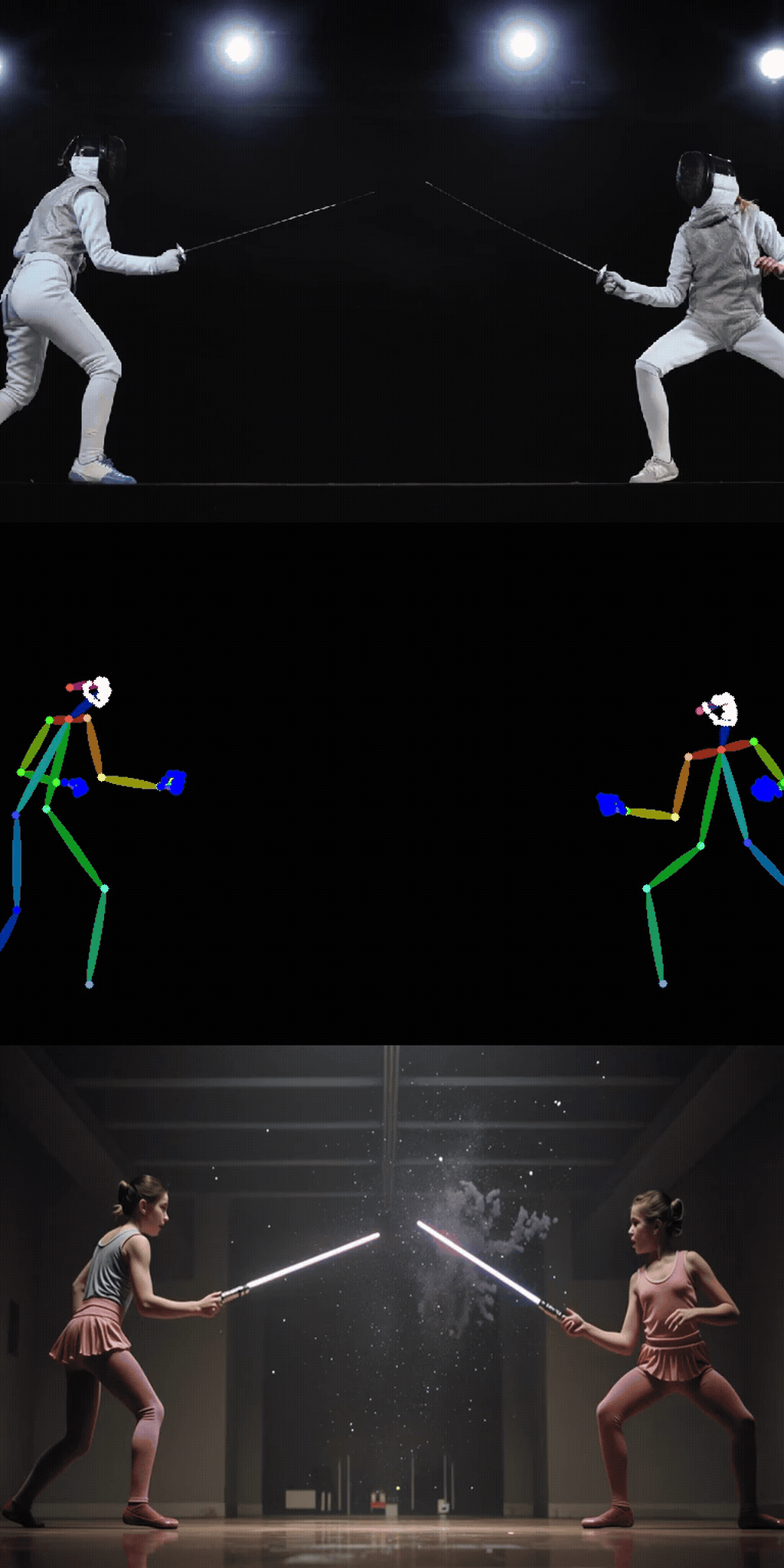
Build a generative video application that creates synchronized audio and video from a single prompt.
The project can support text-to-video, image-to-video, keyframe conditioning, and video transformation, using LTX-2 as a reference for the underlying workflow. Build your own interface where users describe a scene, generate the video with its soundtrack, and refine it using keyframes or reference images.
Tools and Libraries: Python, PyTorch, LTX-2, ComfyUI, Diffusers, CUDA
What You’ll Learn: Video diffusion, audio-video synchronization, conditioning, GPU inference, keyframes, and generative media pipelines.
Source Code: LTX-Video GitHub Repository
5. AI Lip-Sync and Dubbing Tool
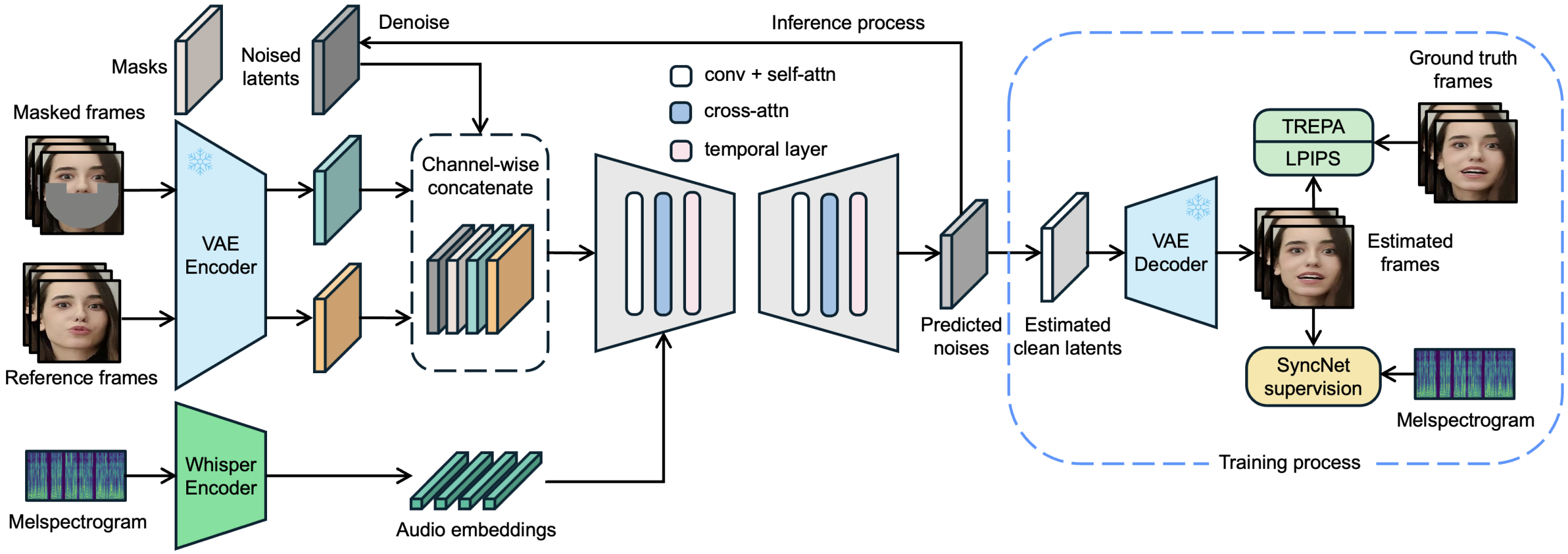
Build a video-dubbing tool that synchronizes a speaker’s lip movements with a new audio track.
Use LatentSync as a reference for the lip-sync pipeline, then build your own interface where users upload a video, add translated audio, generate the synchronized version, and export the final video.
Tools and Libraries: Python, PyTorch, Whisper, Stable Diffusion, LatentSync, FFmpeg, CUDA
What You’ll Learn: Diffusion models, audio conditioning, video processing, temporal consistency, and AI dubbing.
Source Code: LatentSync GitHub Repository
6. Long-Form Multi-Speaker Voice Generator
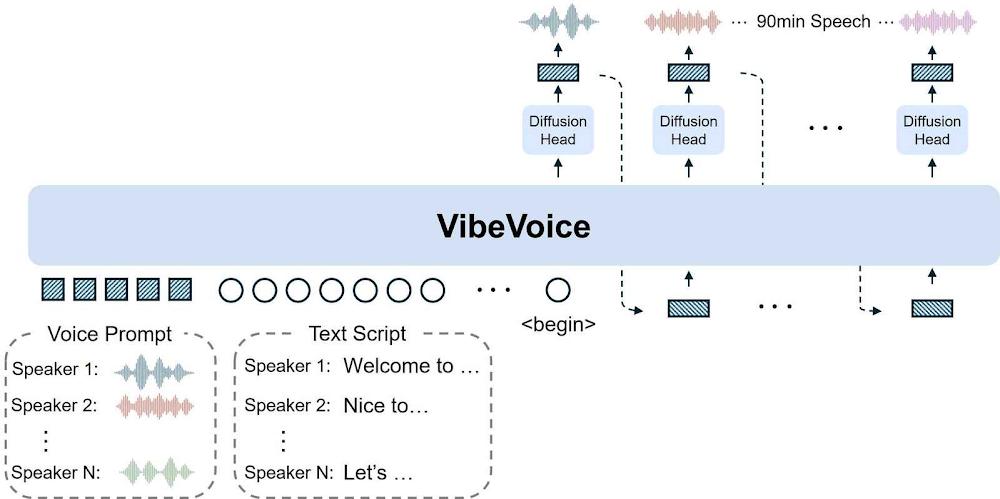
Build an application that turns a written script into a natural conversation between multiple AI speakers.
Use VibeVoice as a reference for generating long-form, multi-speaker audio, then build your own interface where an LLM creates the dialogue, users assign voices to each speaker, and the system produces a complete podcast or audiobook.
Tools and Libraries: Python, PyTorch, VibeVoice, Transformers, Gradio, CUDA
What You’ll Learn: Neural TTS, speaker conditioning, long-form generation, dialogue synthesis, voice cloning, and audio pipelines.
Source Code: VibeVoice Community Repository
8. AI Image Editing Studio
Build an AI-powered image editing application that lets users modify photos using natural-language instructions, supporting operations such as inpainting, outpainting, style transfer, and object removal within a single interface.
9. AI Presentation Generator
Build an application that converts a topic, document, or URL into a fully designed slide deck. The system should use an LLM to outline the content, structure it into slides, and apply visual formatting automatically, allowing users to export the result in standard presentation formats.
10. Deep Research Assistant
Build a research assistant that autonomously searches the web, reads sources, synthesizes findings, and produces a structured long-form report on any topic. Use an agentic loop where the system plans search queries, evaluates retrieved content, and iteratively refines its understanding before generating the final output.
Each of these projects covers a distinct area of the generative AI landscape, from search and speech to video and multimodal generation. Working through even a few of them will give you hands-on experience with the models, pipelines, and tools that underpin modern AI applications, and a portfolio that demonstrates practical, production-oriented skills to potential employers.